
Waltzing with Grace
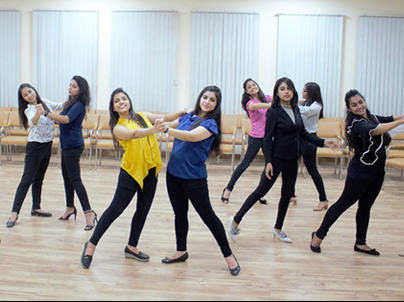
"Dance is the language of the soul."~ Martha Stewart
Waltz (From German: Walzer) is a form of ballroom dance which has evolved over the ages from an old German folk dance. The modern from of Waltz was born in the suburbs of Vienna and the mountain regions of Austria. It was created for court dances around the end of the 16th century.
The popularity of Waltz became overwhelming by the end of the 18th century, setting it as a standard and spreading its influence all over the Europe. The phenomenal music creations of Johann Strauss and Franz Lanner were instrumental in popularizing the Waltz. United States accepted Waltz during mid-19th century, and by early 20th century it became included in ballroom dancing everywhere.
Waltz is usually slow and consists of some basic steps like the ¾ box step, on mastery of which, one can sail through an evening of dancing pretty easily.
That being said, dance, in any form involves an element of grace and fluidity. William W. Purkey said, "Dance like noone's watching." While dancing, it is important to let loose and be free. Dancing is not only an art and a social skill, but also improves health and posture through increased strength and muscle tone, better coordination, agility and flexibility.
At SEFS, we teach our students the Fine Art of Ballroom Dancing, Waltz being one of the forms taught. Our trained faculty facilitate our students to learn the various dance steps and improve their posture, coordination and rhythm. This enables them to master this art and opens the pathways to enjoying ballroom dances both socially and competitively. It also helps the students to overcome shyness, build unshakeable confidence and get groomed to attend black tie events with poise. This empowers them to take one more step towards eliminating hesitation in navigating social situations.