


Infrastructure
Laboratories
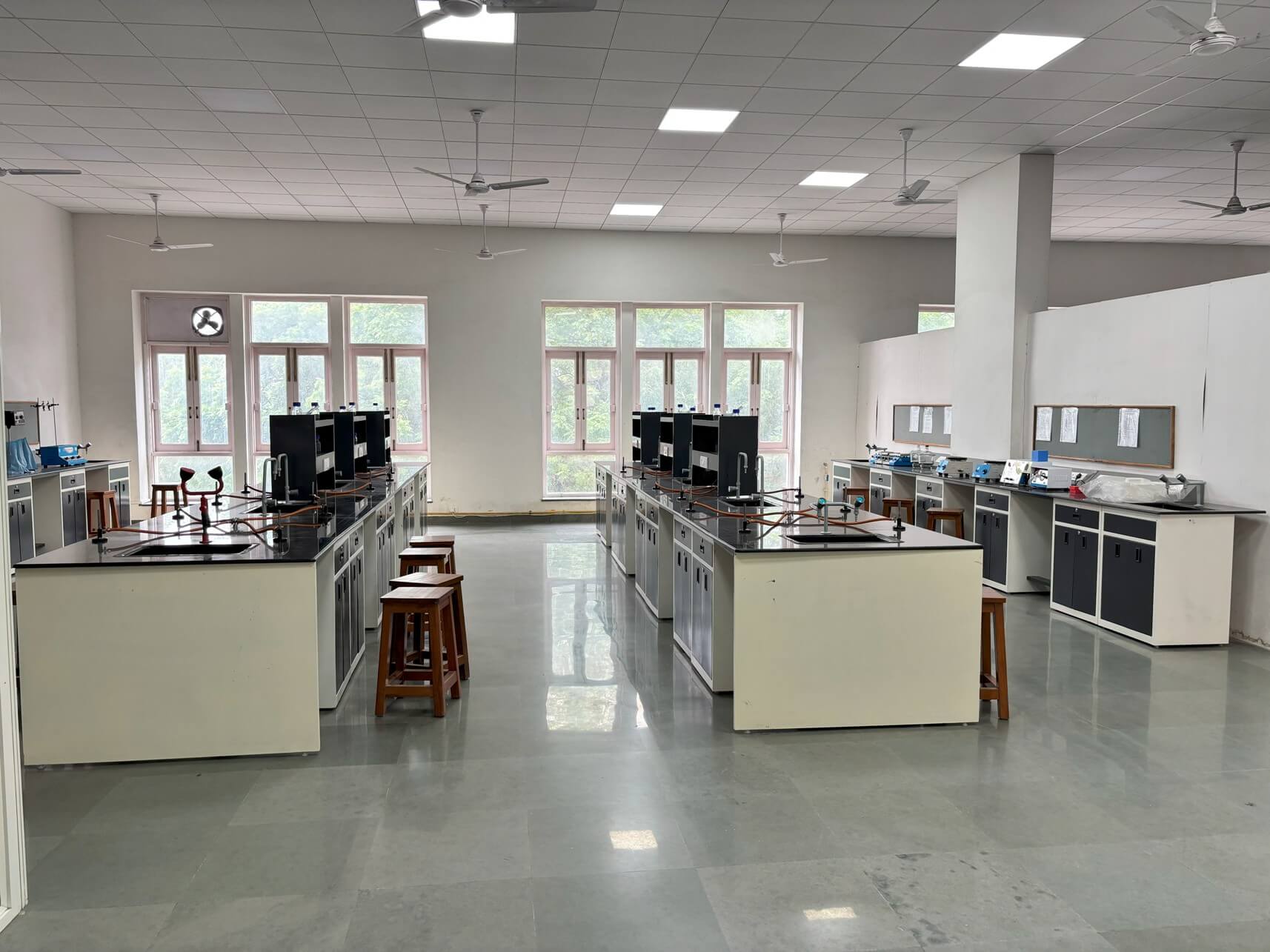
The School of Pharmacy at Mody University of Science and Technology is dedicated to delivering high-quality pharmaceutical education through a strong emphasis on practical learning, technical proficiency, and research exposure. To fulfil this objective, the School has developed a comprehensive suite of modern laboratories and support facilities, each designed in line with the Pharmacy Council of India (PCI) standards. These laboratories not only enhance students’ theoretical understanding but also equip them with real-world competencies that are crucial for success in industrial, clinical, and research settings. The institution’s infrastructure facilitates a smooth transition from classroom-based learning to professional practice, making graduates career-ready from day one.
Machine Room
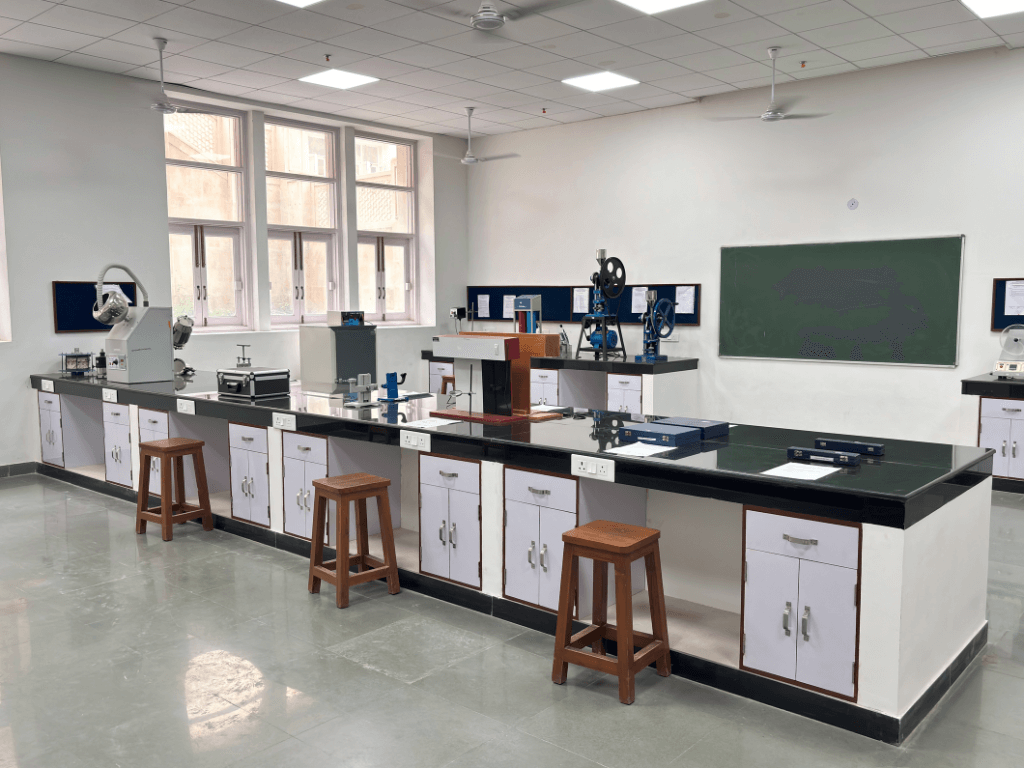
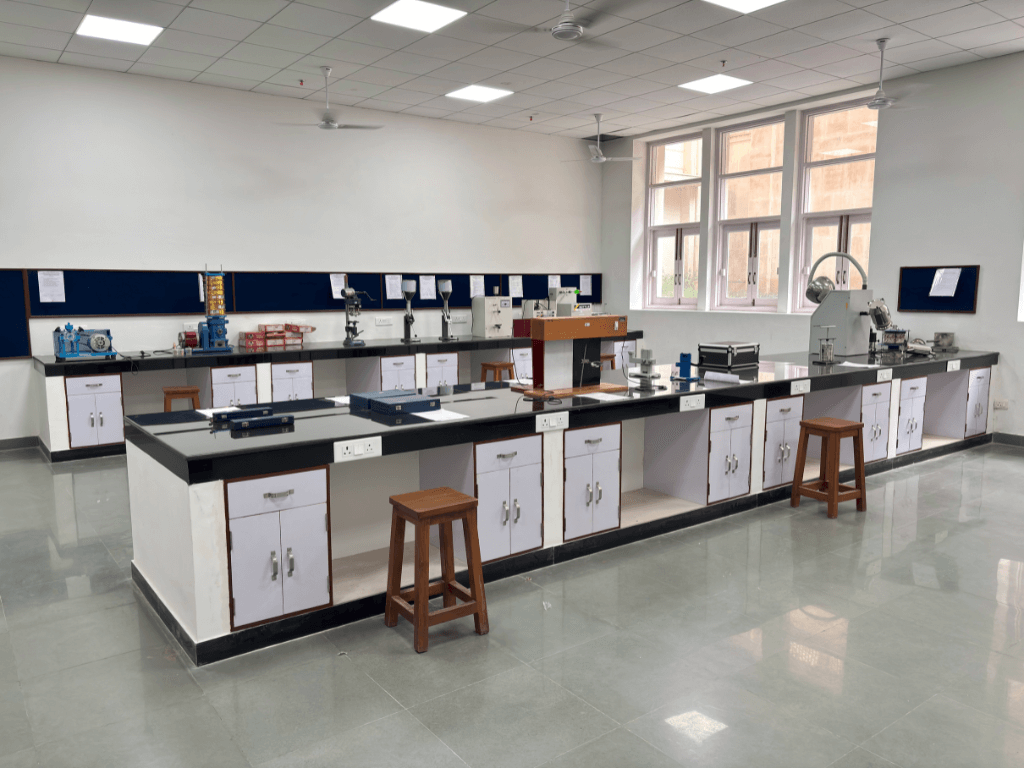
The Machine Room plays a pivotal role in bridging the gap between academic concepts and industrial applications. It is specifically designed to expose students to pharmaceutical manufacturing processes and the equipment used in the production of various dosage forms on a semi-industrial scale. The lab includes key instruments such as an automatic tablet punching machine, a tablet coating pan with a hot air blower, a capsule filling machine, an ampoule filling and sealing machine, an ointment filling machine, a tablet disintegration and dissolution apparatus, all-purpose equipment, and a tablet hardness tester. In addition to these, it also contains a friability tester, sieve shaker, tincture press, bottle washing machine and collapsible tube filling machine. The primary objective of this facility is to familiarize students with the operational principles, maintenance, and application of pharmaceutical machinery. Through this, learners develop hands-on expertise in formulation development, process optimization, and quality testing, critical elements of industrial pharmacy.
Pharmaceutics Laboratory
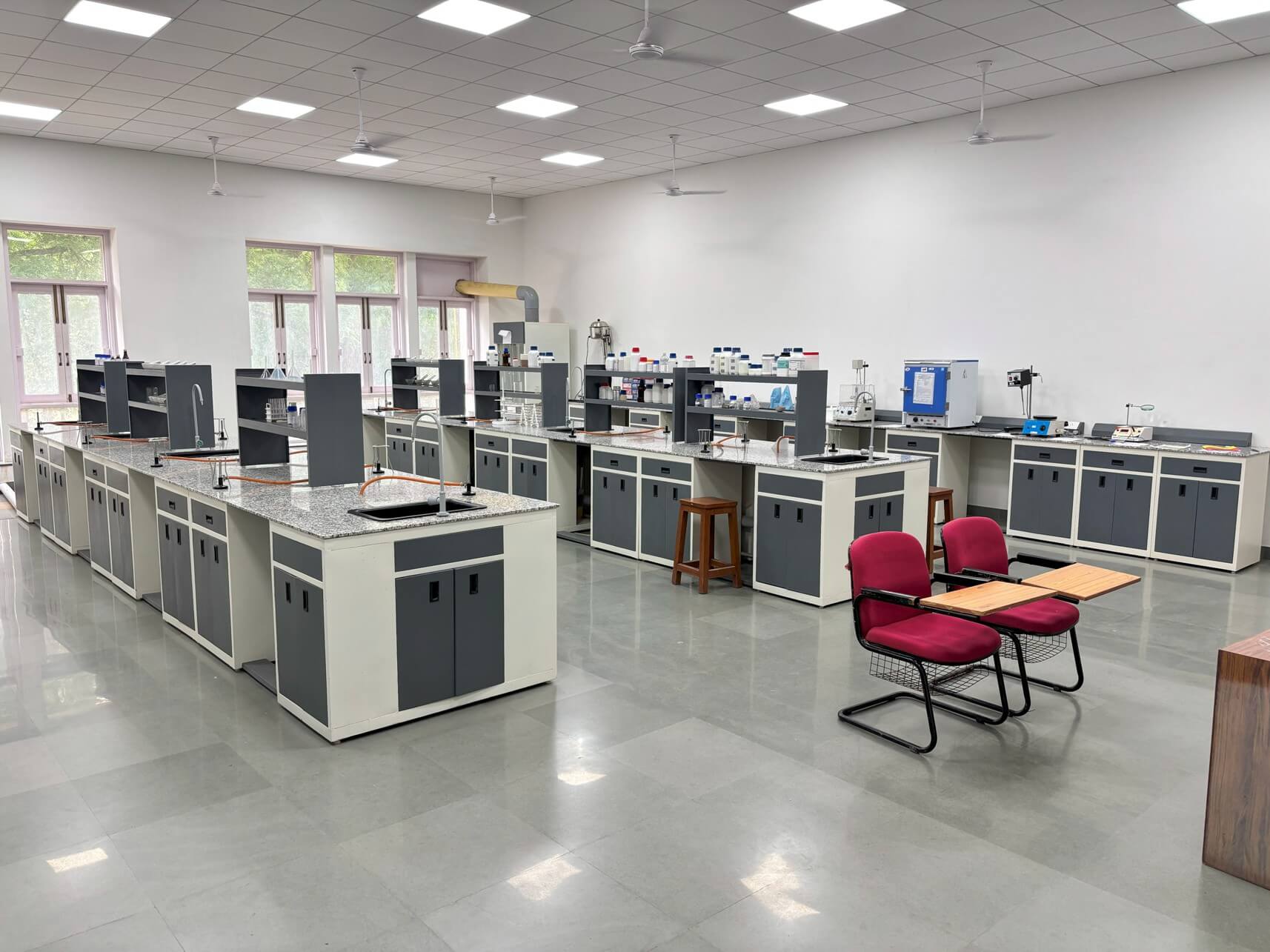
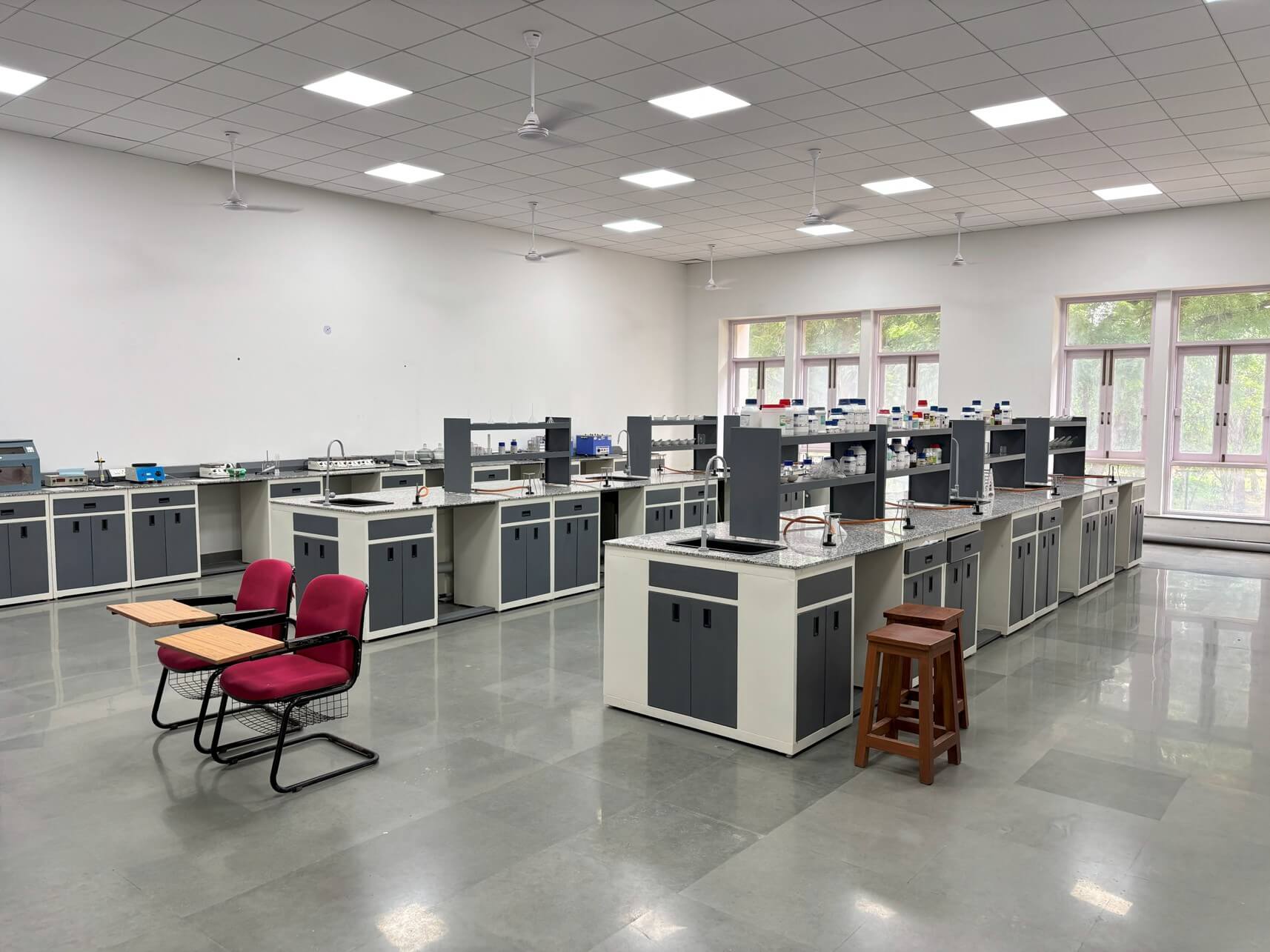
The Pharmaceutics Laboratory is central to the hands-on learning of dosage form design, compounding, and formulation principles. This laboratory is used extensively by students to explore the preparation of both conventional and novel pharmaceutical formulations. The infrastructure includes essential devices such as a hot air oven, autoclave, incubator, refrigerator, tray dryer, BOD incubator, dissolution apparatus, and centrifuge. Students also work with suppository molds, ointment slabs, sieve sets, spatulas, mortars and pestles, and other tools necessary for mixing, measuring, and preparing pharmaceutical products. The practical sessions conducted here cover formulation of suspensions, emulsions, ointments, creams, and other semi-solid preparations. The lab emphasizes proper handling of equipment, aseptic techniques, and good compounding practices, thereby ensuring students develop core skills essential for pharmaceutical formulation and dispensing.
Pharmaceutical Chemistry Laboratory
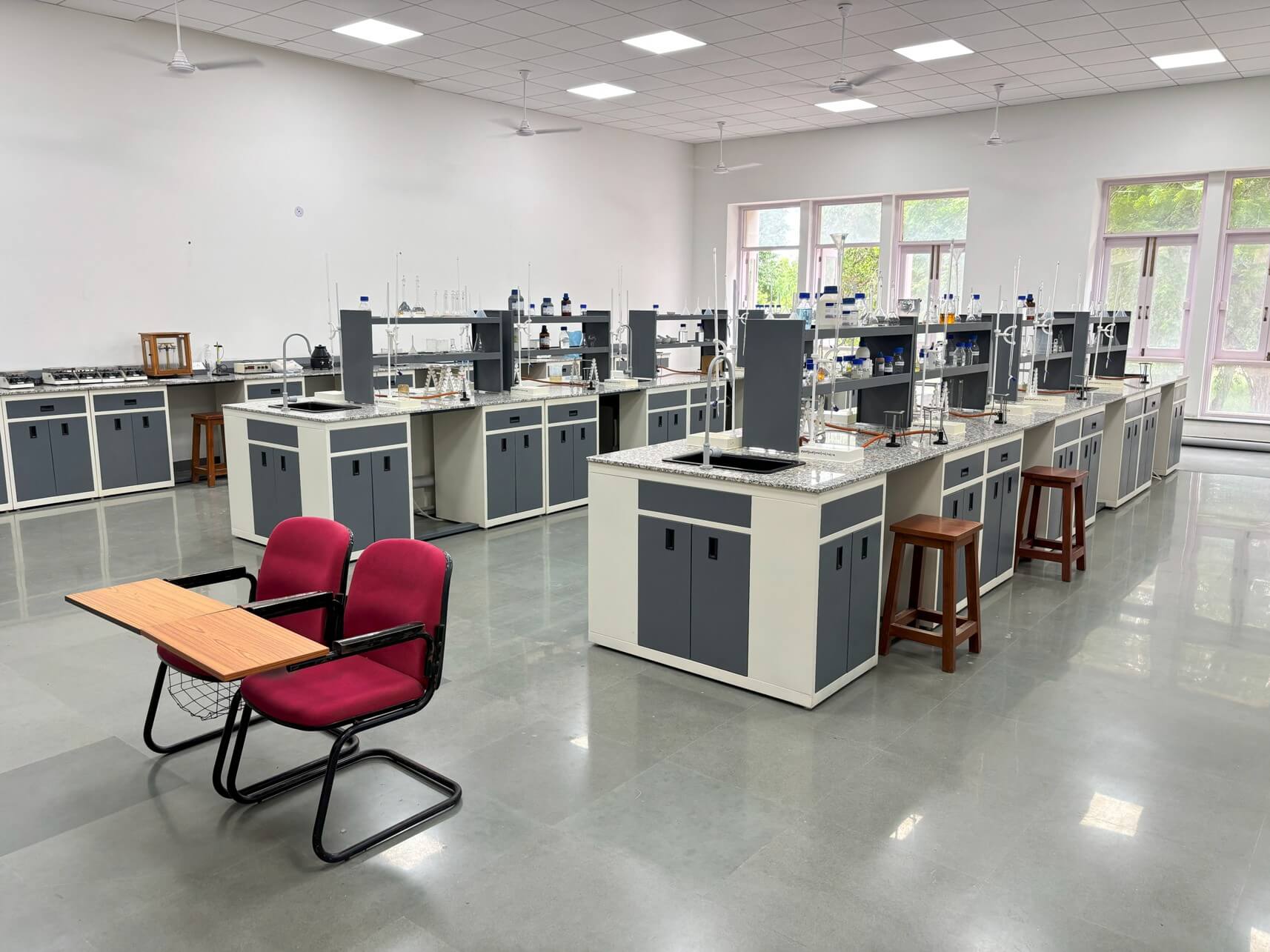
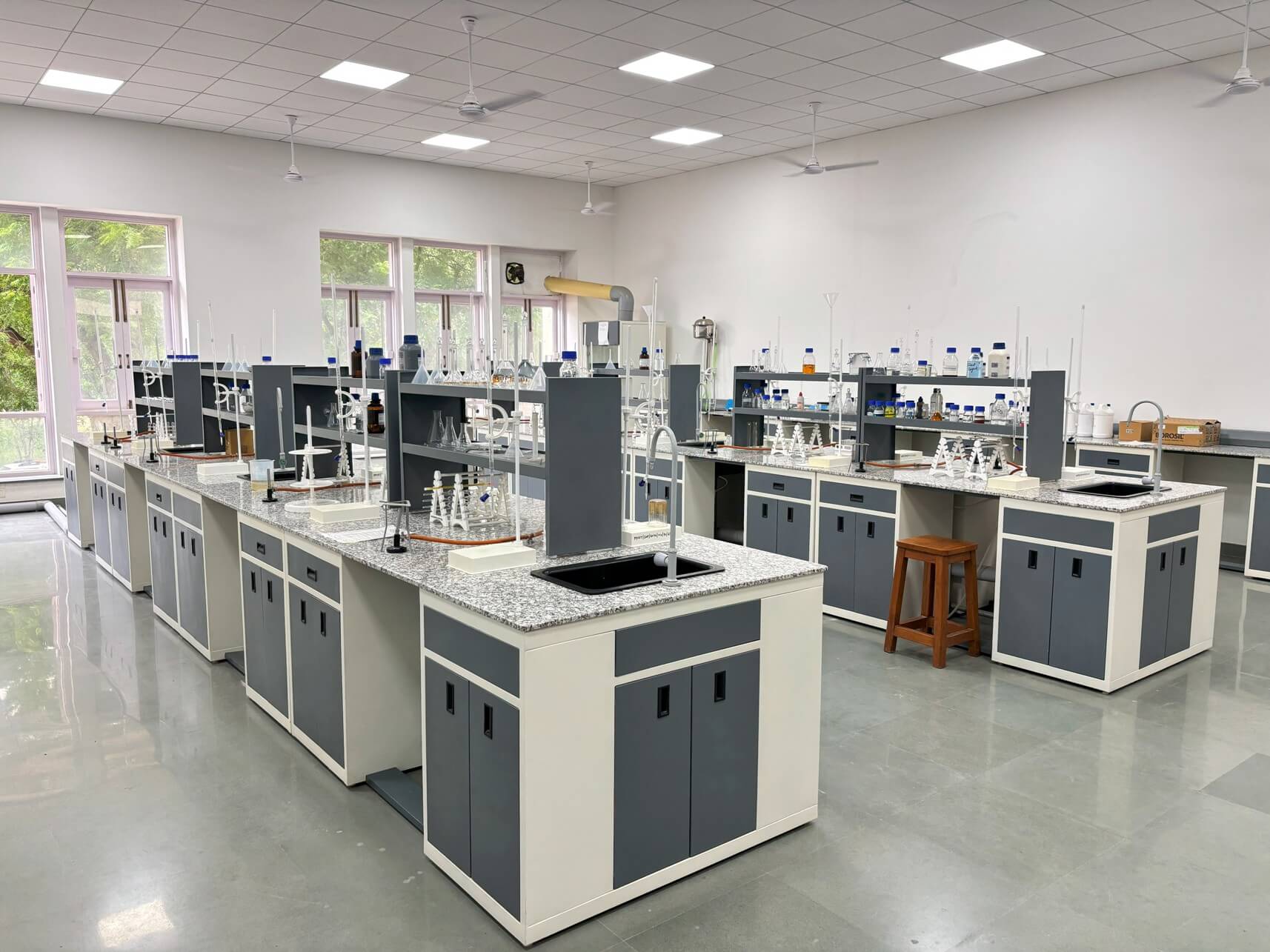
The Pharmaceutical Chemistry Laboratory is a dedicated space for analytical and synthetic experiments related to pharmaceutical substances. This lab plays a crucial role in teaching students about the physicochemical properties, purity, and chemical structure of active pharmaceutical ingredients (APIs). It is equipped with high-precision analytical instruments such as a digital pH meter, a hot plate, a hot plate magnetic stirrer, a Sonicator, digital colorimetry apparatus, distillation apparatus, a fuming hood, a melting point apparatus, and an analytical balance. The facility also provides molecular model kits to help students visualize chemical structures and reaction mechanisms. All standard glassware required for titrimetric and volumetric analysis is readily available. Through practical exercises, students learn how to identify compounds, perform purity testing, and synthesize simple drug molecules, all while adhering to safety protocols and PCI-prescribed guidelines. The lab fosters a deeper understanding of medicinal chemistry, organic chemistry, and pharmaceutical analysis.
Pharmacology Laboratory
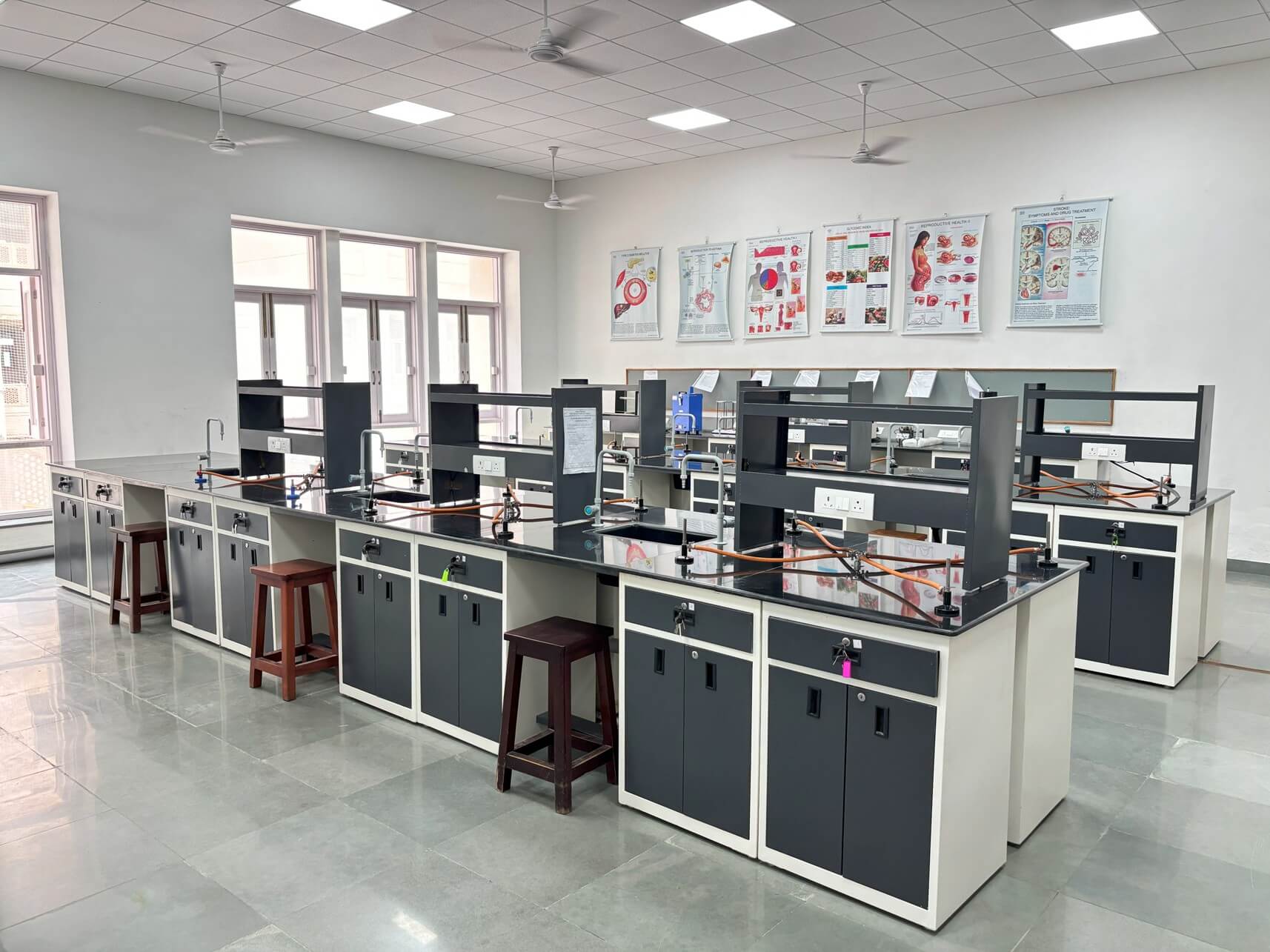
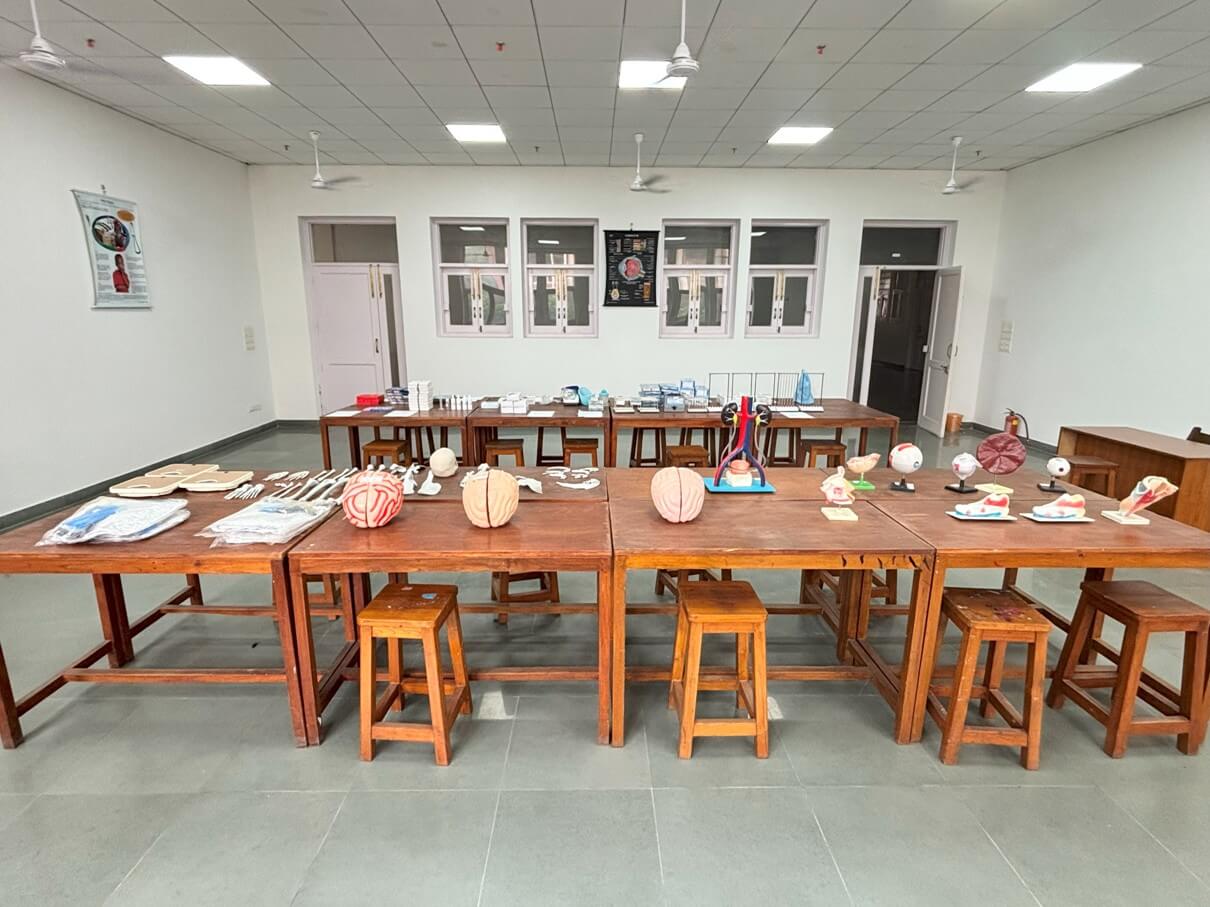
The Pharmacology Laboratory is designed to provide students with a foundational understanding of how drugs interact with biological systems. This laboratory allows learners to conduct experiments related to the effects of pharmaceutical agents on tissue, organ systems, and whole organisms. It is equipped with specialized apparatus such as a student organ bath, a kymograph for recording muscle contractions, a lucas moist chamber, myographic levers, a sherrington drum, rotarod, convulsiometer, pole climbing apparatus, an actophotometer for measuring locomotor activity, an analgesiometer for pain response studies, and a telethermometer for monitoring body temperature. Additional resources include sphygmomanometers, stethoscopes, histamine chambers, dissecting kits, and a wide collection of histological slides and anatomical models. A refrigerator is available for preserving biological samples. This lab is crucial for teaching experimental pharmacology, toxicology, and physiology. It prepares students to understand drug mechanisms, therapeutic actions, adverse effects, and safety assessments, laying the groundwork for careers in clinical pharmacy and research.
Pharmacognosy Laboratory
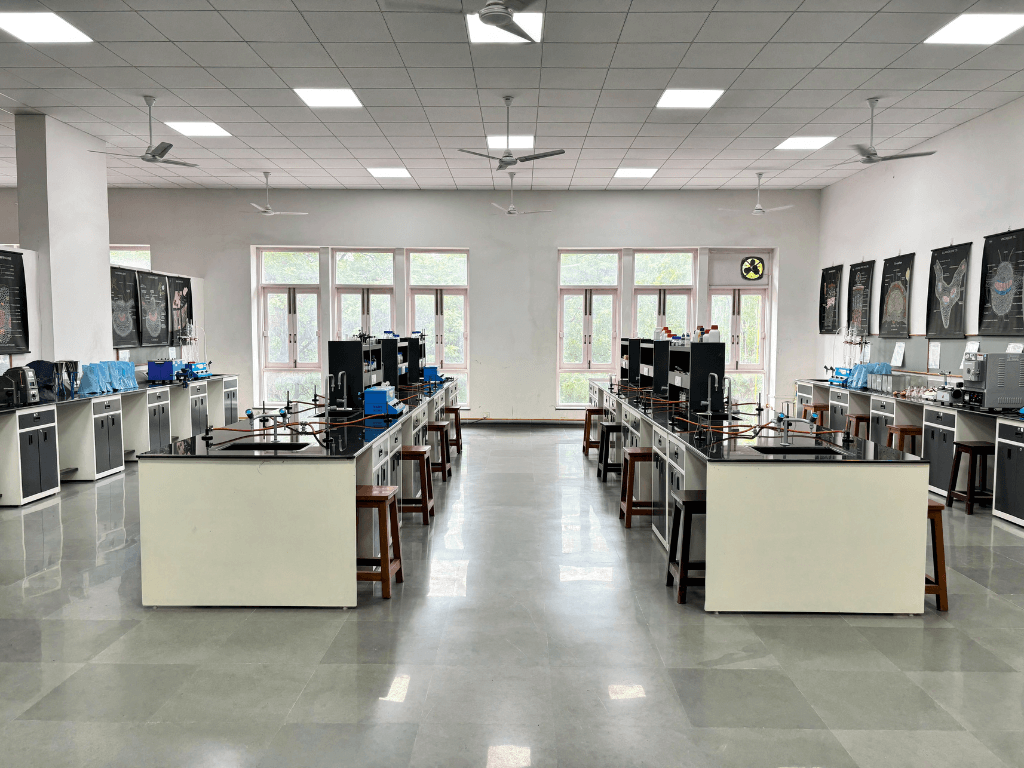
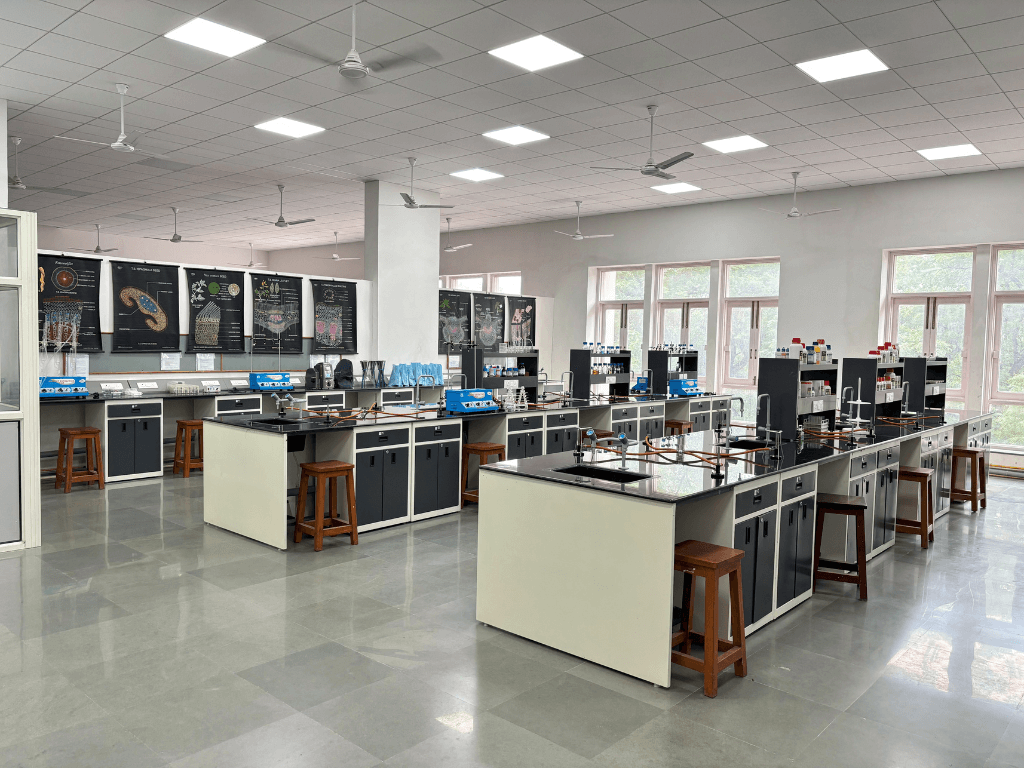
The Pharmacognosy Laboratory at the School of Pharmacy, Mody University, is a specialized facility designed to impart practical knowledge in the study of natural products, medicinal plants, and traditional systems of medicine. This laboratory plays a pivotal role in helping students understand the origin, morphology, identification, and pharmacological relevance of crude drugs derived from plant, animal, and mineral sources. It is fully equipped with essential instruments such as microscopes, projection microscope, camera lucida, micrometry tools, chromatographic apparatus, TLC chambers, Gel electrophoresis, Soxhlet apparatus, Colony counter, zone reader, moisture balance, muffle furnace, vacuum pump, clavengers apparatus, and distillation units. These tools enable students to conduct phytochemical screening, microscopic evaluations, extraction processes, and purity testing of herbal drugs.
In addition to these instruments, the lab contains organoleptic testing setups, chemical reagent stations, drying chambers, and slide preparation areas for anatomical and histological studies of plant tissues. The facility is stocked with authenticated samples of crude drugs, powdered drugs, and herbarium sheets for student reference and practical analysis. The teaching in this lab is closely integrated with the Herbal Garden, allowing students to directly correlate theoretical knowledge with live specimens of medicinal plants grown on campus.
The purpose of the Pharmacognosy Laboratory is to deepen students’ understanding of Ayurvedic, Unani, and folk medicinal systems, while equipping them with modern analytical techniques to evaluate the safety, efficacy, and quality of herbal materials. This laboratory fosters a scientific approach to traditional medicine and prepares students for careers in herbal drug formulation, natural product research, regulatory affairs, and phytopharmaceutical development. It also promotes respect for India’s ethnomedicinal heritage and encourages innovation in plant-based therapeutics through guided experimental learning.
Model Pharmacy
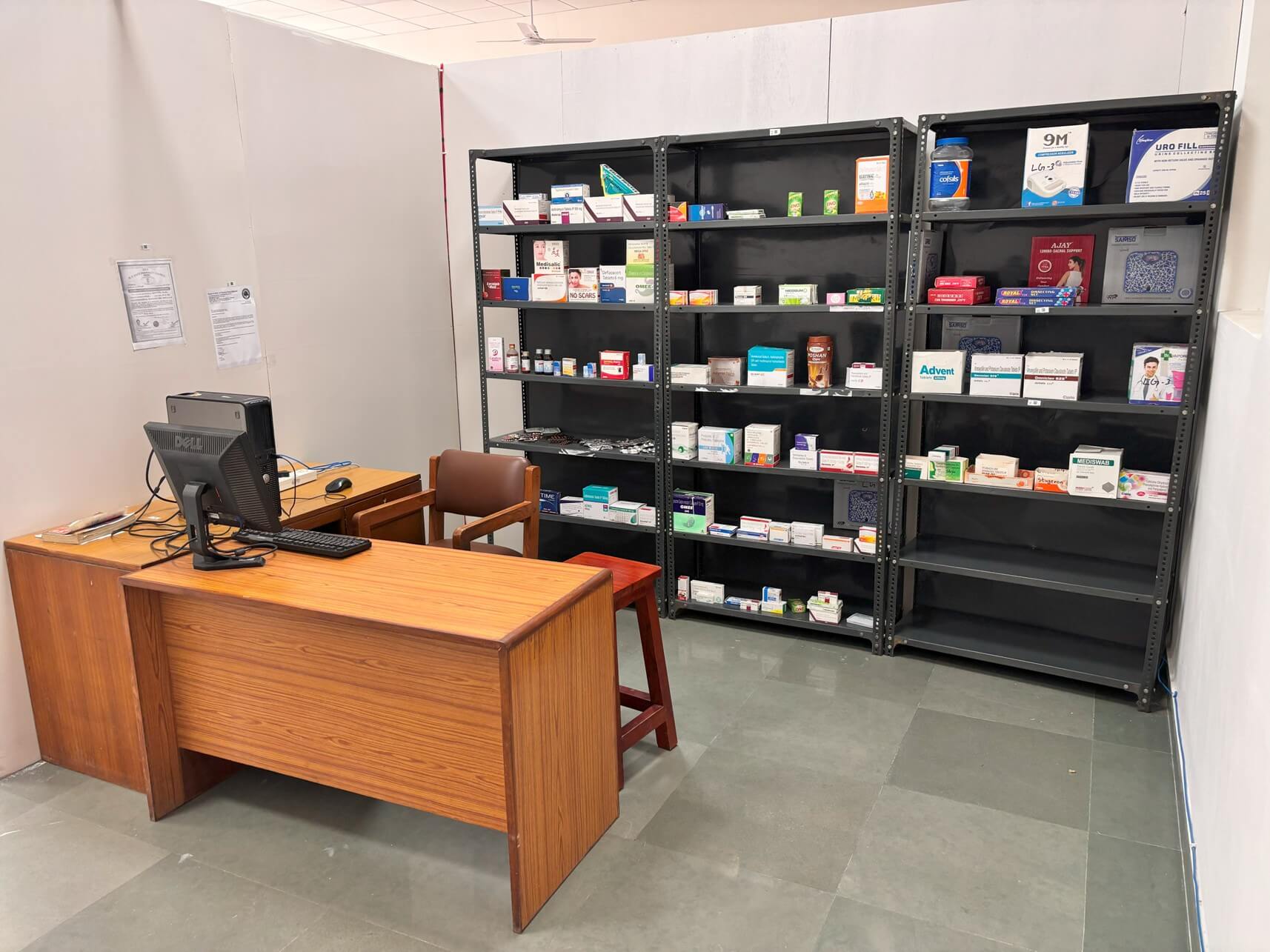
The Social Pharmacy Laboratory serves as a training ground for understanding the societal and behavioral aspects of pharmacy. Designed to simulate a community pharmacy or primary healthcare center, this lab focuses on developing student awareness regarding rational drug use, public health communication, and patient interaction. It includes dispensing counters, medicine storage shelves, mock prescriptions, medication labels, patient counselling charts, health education posters, pharmacy retail software, and models. Through role-plays and interactive sessions, students learn how to interpret prescriptions, communicate with patients, counsel on drug usage, and promote public health awareness. The lab also helps students understand various national health programs, healthcare policies, and the pharmacist’s role in preventive care and health promotion. It cultivates the ethical, empathetic, and communicative dimensions of pharmacy practice.
Pharmacy Practice Laboratory
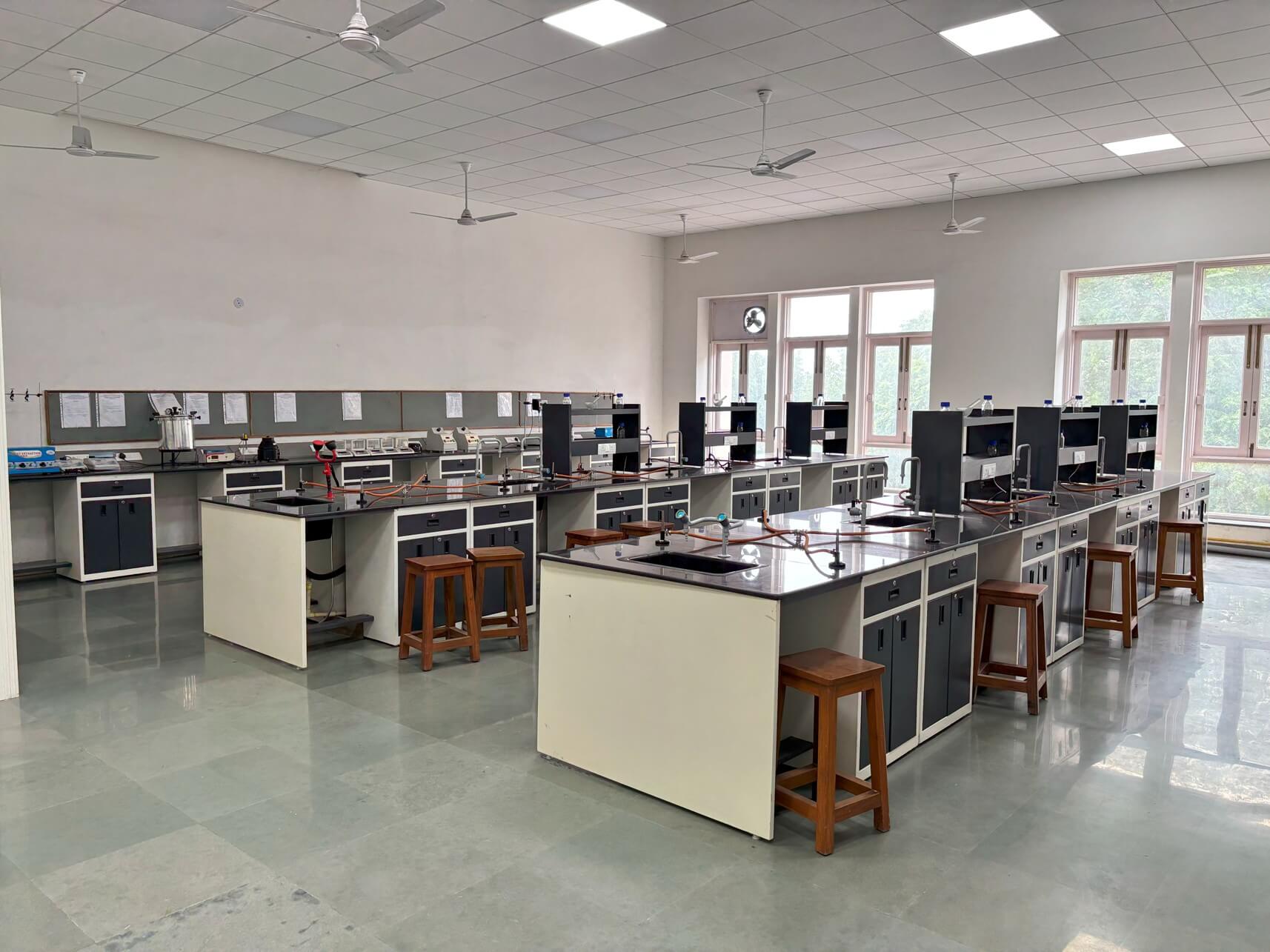
The Pharmacy Practice Laboratory is designed to provide students with hands-on training in clinical pharmacy, hospital dispensing, and pharmaceutical care. It replicates a clinical setting where students learn to interpret prescriptions, compound extemporaneous preparations, and perform quality control testing. The lab is equipped with a compound microscope, colorimeter, centrifuge, autoclave, hot air oven, and refrigerator. In addition, instruments such as a magnetic stirrer and a water bath are provided to support practical sessions in drug quality assessment. The lab’s primary purpose is to train students in real-time clinical scenarios, focusing on patient safety, dose calculations, aseptic preparations, and therapeutic drug monitoring. It strengthens the bridge between classroom learning and patient-centered care, essential for future pharmacists working in hospitals, clinics, or community healthcare.
Central Instrument Room (CIR)
The Central Instrument Room (CIR) at the School of Pharmacy provides advanced analytical and research infrastructure for both students and faculty. It houses high-end instruments such as UV-Visible Spectrophotometers, digital colorimeter, fluorimeter, conductivity meter, potentiometer, flame photometer, Digital turbidity measuring meter, and ion exchanger, which are vital for detailed characterization of pharmaceutical substances. These instruments allow for precise analysis of drug purity, molecular structure, thermal behavior, and chemical stability. The facility is supported by trained technical staff and dedicated analytical software, enabling students to undertake high-quality research, formulation studies, and quality control projects. This facility plays a significant role in fostering innovation, interdisciplinary collaboration, and scientific inquiry, particularly in final-year projects and postgraduate research.
Store Room
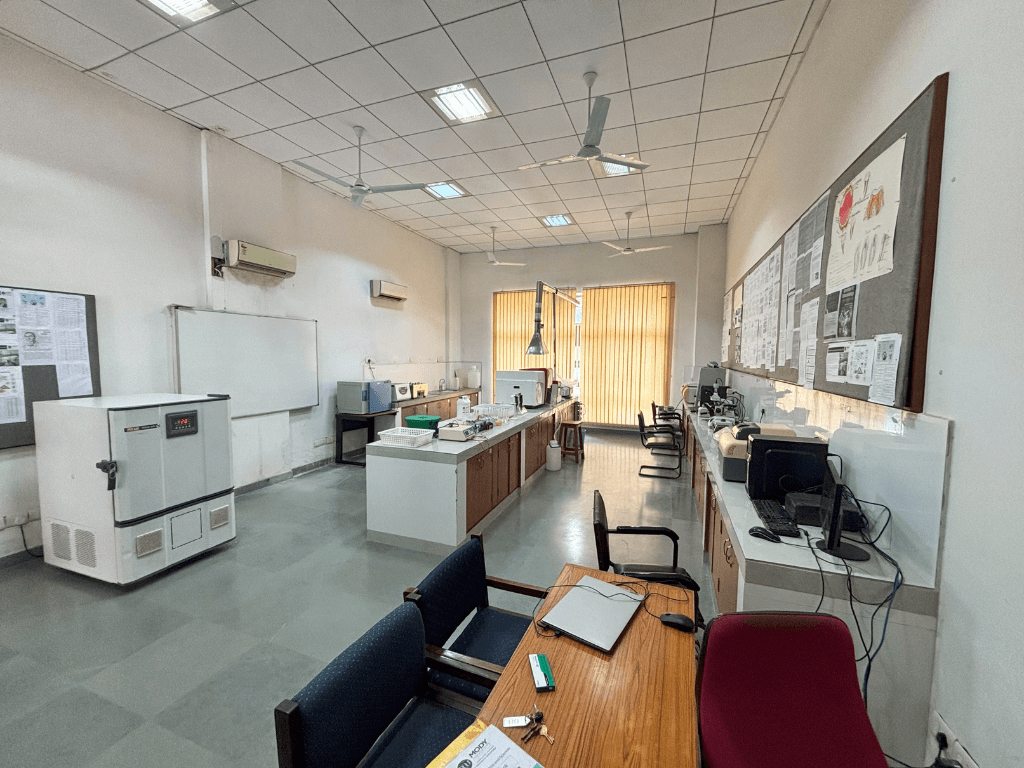
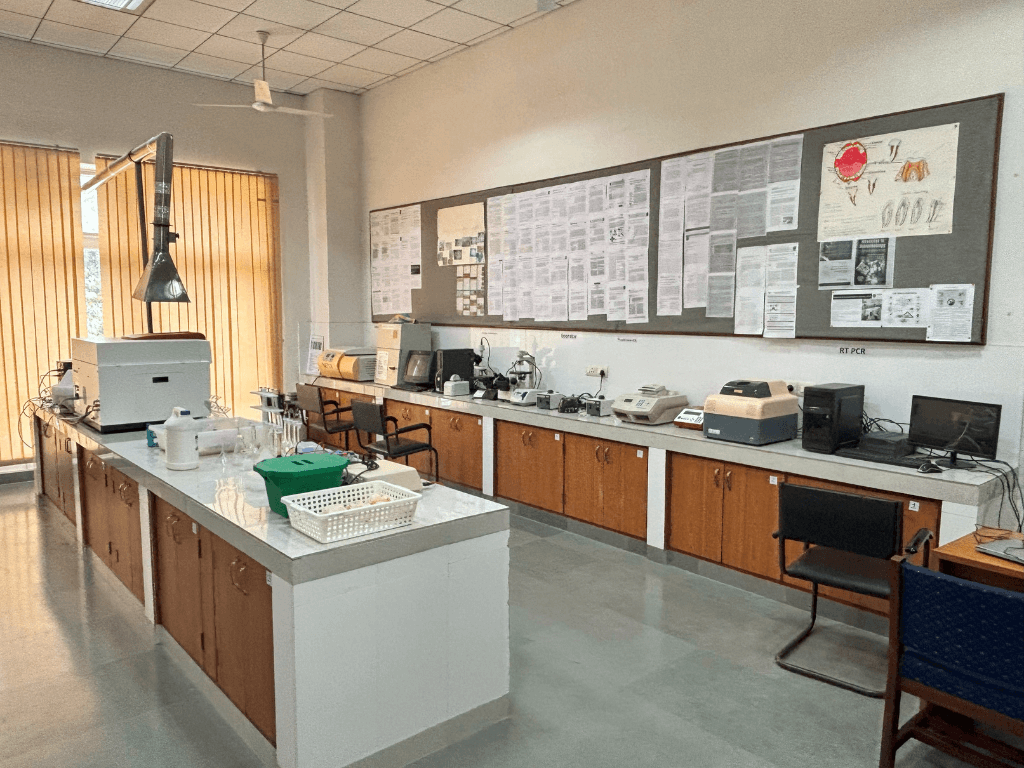
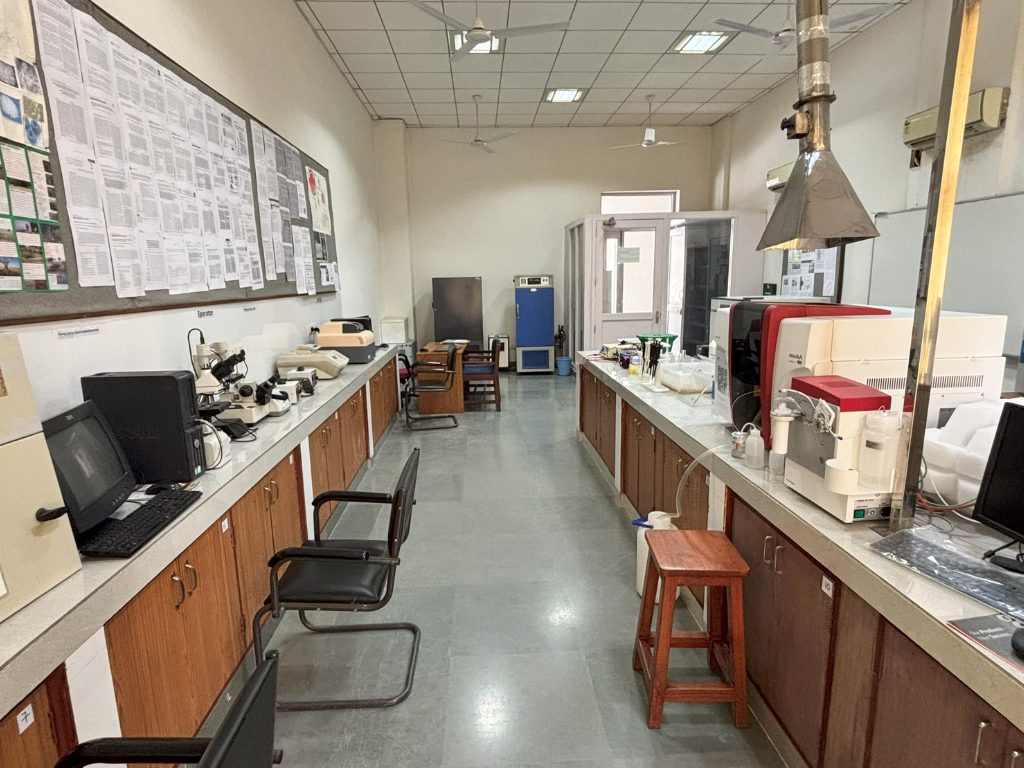
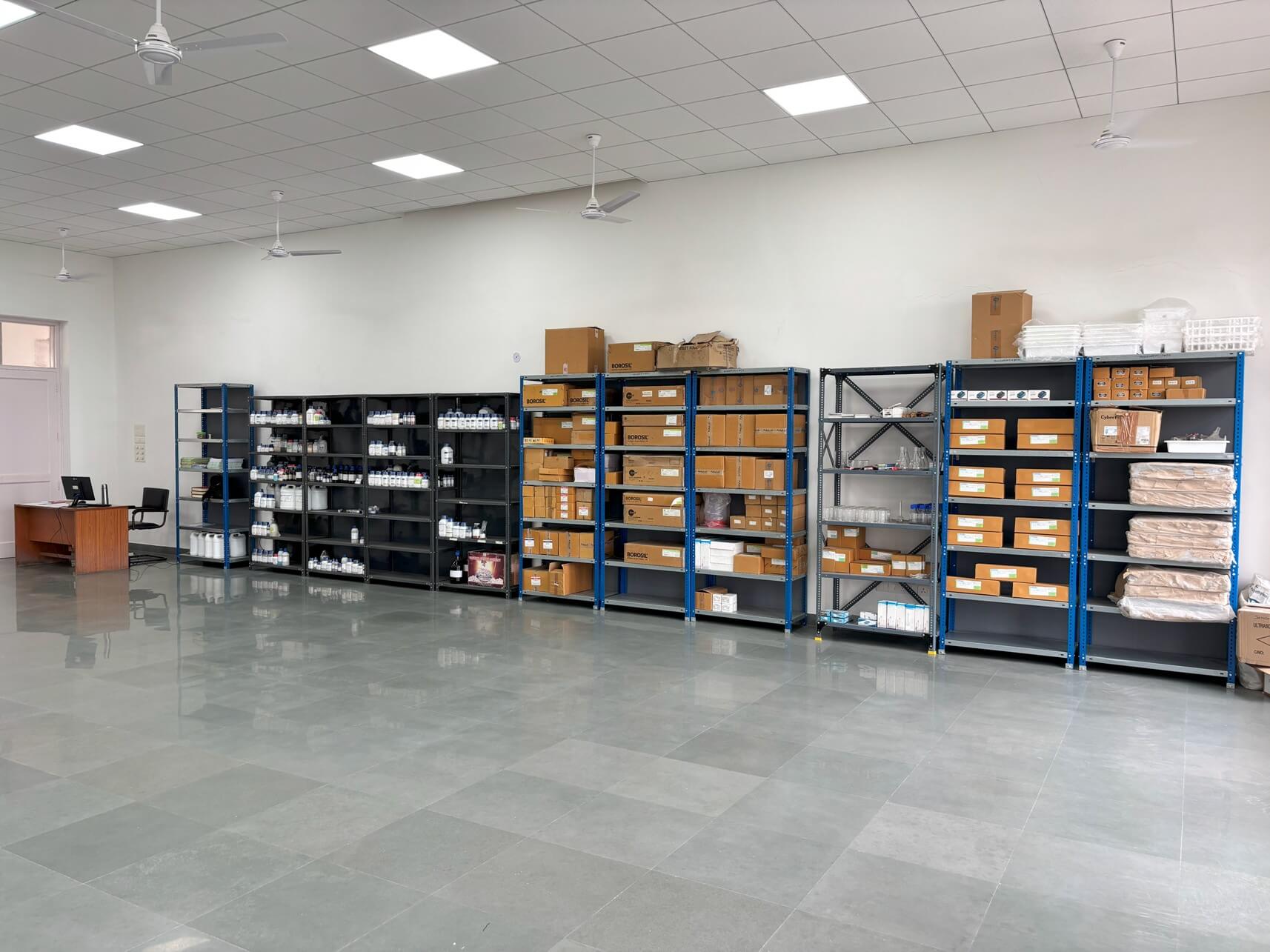
The Store Room infrastructure supports the uninterrupted functioning of all laboratories by managing and supplying the necessary chemicals, reagents, glassware, and safety equipment. The School of Pharmacy maintains two well-organized store rooms, each systematically cataloged and maintained regularly. This system ensures efficient inventory control, timely restocking, and tracking of expiry dates. The stores are stocked with analytical-grade chemicals, precision glassware, and emergency equipment such as fire extinguishers and first-aid kits. One store room is mainly dedicated to inflammable chemical storage. By maintaining PCI-compliant standards, the store room ensures that practical sessions across all laboratories run smoothly and safely, reinforcing operational excellence in pharmaceutical education.
Computer Laboratory
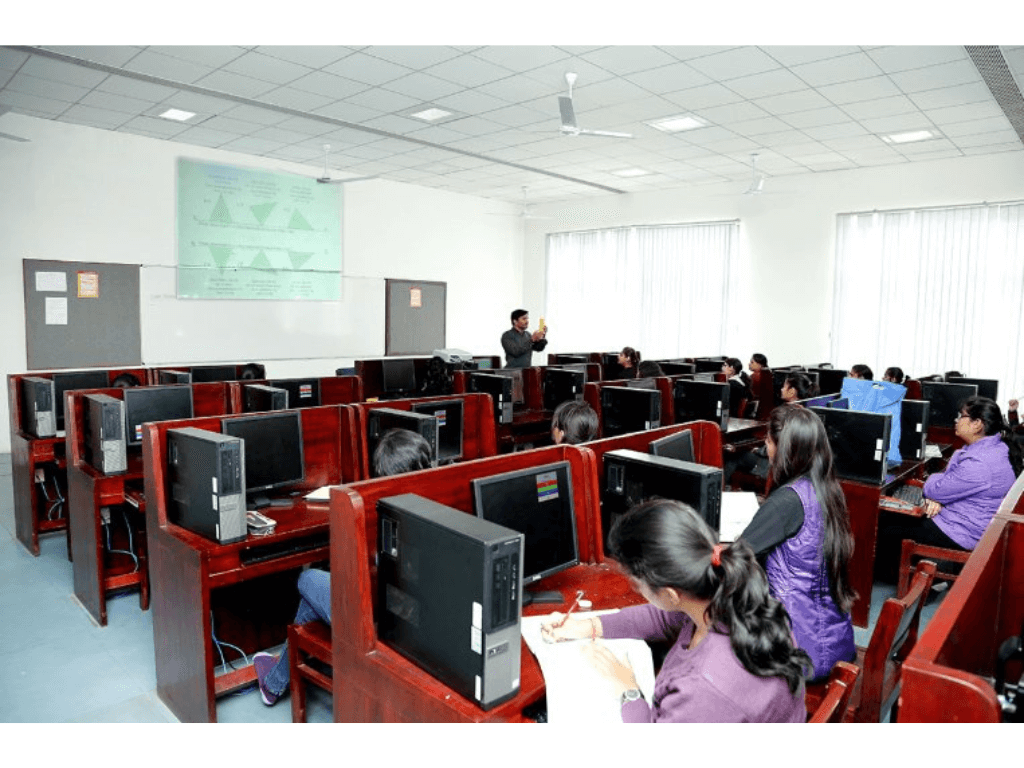
The Computer Laboratory serves as a hub for technology-integrated learning and supports the academic and research needs of pharmacy students. It is furnished with internet-enabled desktop computers, licensed software, and data analysis. The lab complies with PCI-mandated computer-to-student ratios and provides access to digital learning platforms and online databases. Students use this facility to learn about pharmacy informatics and prescription management. It also plays a vital role in helping students to complete assignments, conduct literature reviews, and present research findings. By integrating digital tools into pharmacy education, the lab enhances student engagement, analytical thinking, and digital literacy.
Library
Central Library
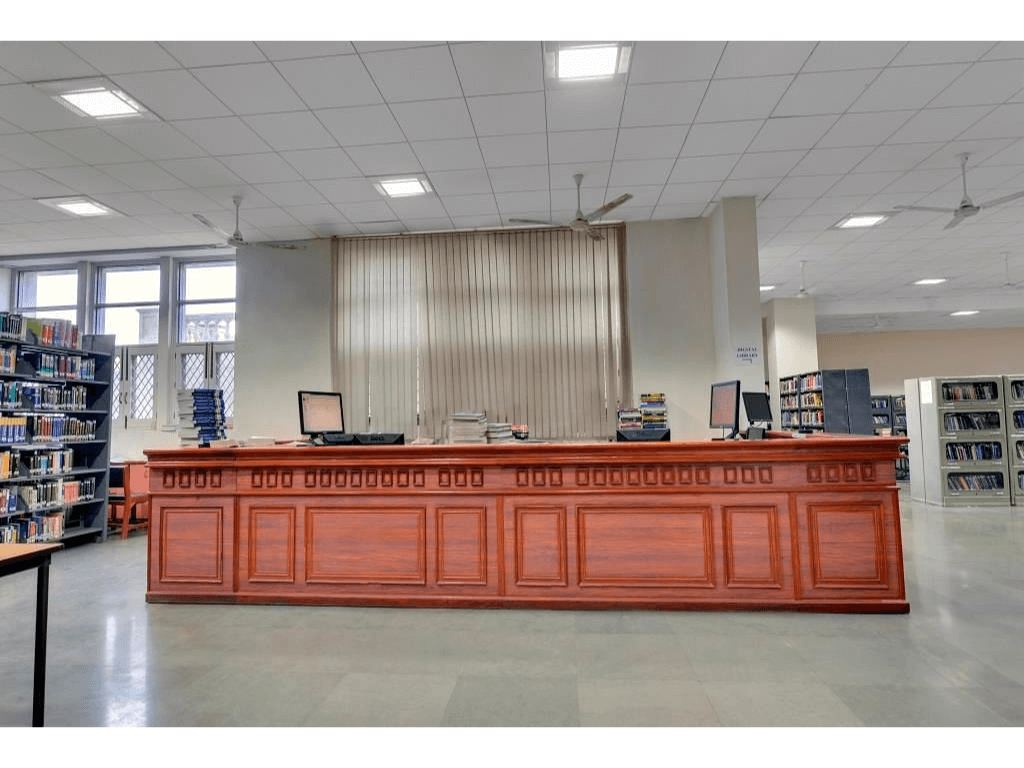
The Central Library of Mody University stands as a vibrant hub of academic knowledge and digital learning, designed to support students and faculty across all disciplines, including pharmacy. It houses an impressive collection of over 64,000 print volumes and more than 13,500 e-books covering a wide range of subjects in pharmacy, science, technology, management, humanities, and allied health sciences. The library subscribes to 161 national and international journals, offering access to current research and academic trends. Students benefit from seamless access to leading digital databases such as IEEE, EBSCO, J-Gate, Manupatra, CMIE, DELNET, and WGSN, which provide vast online resources for research, assignments, and reference work. The entire library system is managed through the Koha Library Management System (LMS), ensuring efficient cataloging and book circulation. Advanced security is maintained through 3M systems. With extended 24×7 access to digital materials and e-learning tools, the Central Library empowers students to pursue in-depth academic inquiry, literature reviews, and independent research in a modern and intellectually stimulating environment.
Departmental Library (School of Pharmacy)
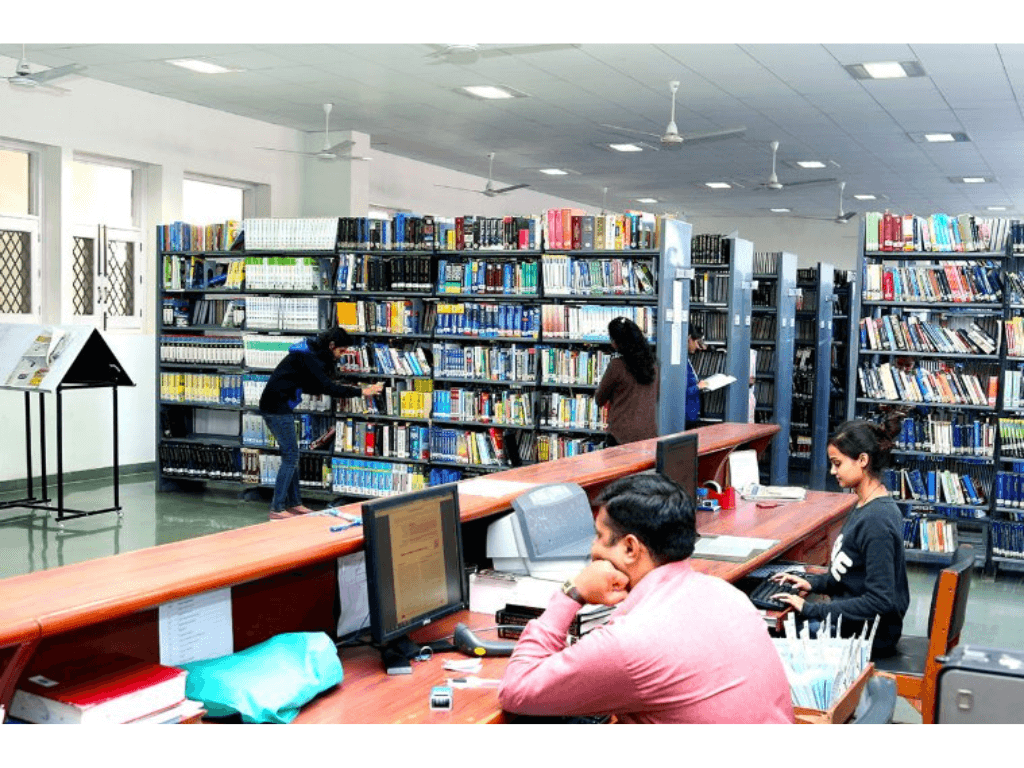
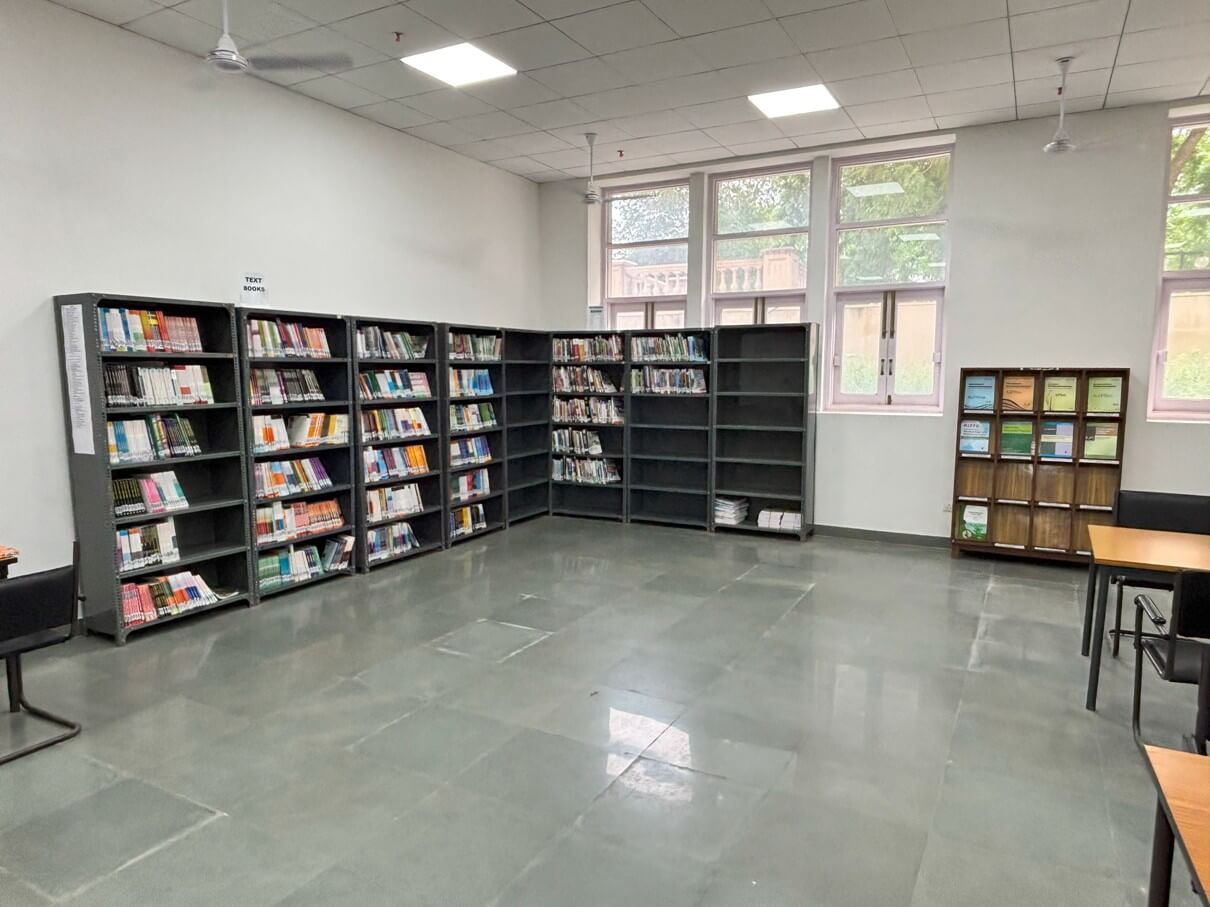
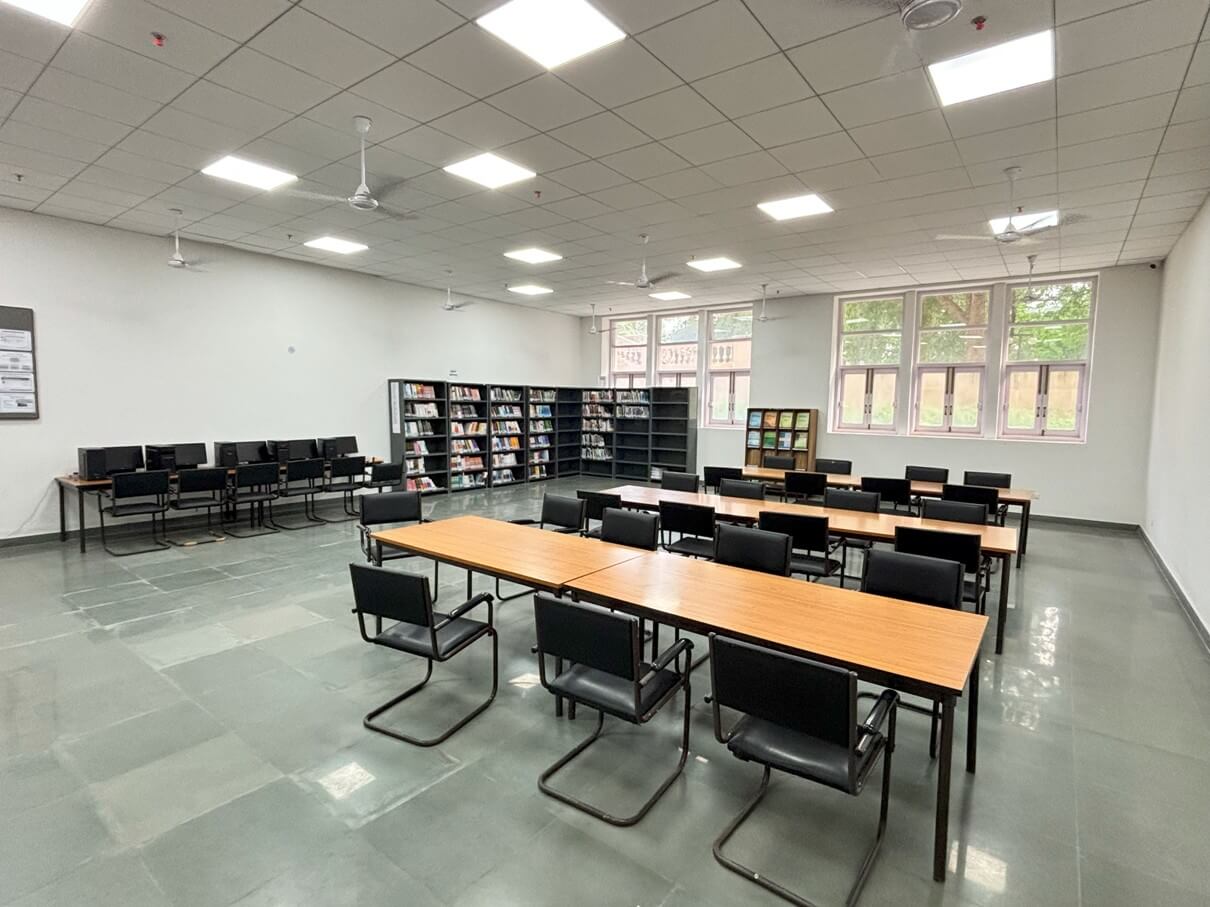
In addition to the central facility, the School of Pharmacy maintains a well-organized Departmental Library that caters specifically to the academic needs of pharmacy students. It provides quick access to PCI-prescribed textbooks, laboratory manuals, national and international pharmacopeias, reference books, and subject-specific journals essential for day-to-day learning. Conveniently located within the department, this library functions as a ready reference center during lectures, lab sessions, and group discussions. It enables students to reinforce classroom learning with easily accessible academic resources and supports faculty in delivering content effectively. By serving as a focused academic resource within the school premises, the Departmental Library ensures that pharmacy students are constantly supported in their pursuit of academic excellence and practical proficiency.
Auditorium (Sabhagar)
Swami HaridasSabhagar
The Swami HaridasSabhagar is the main auditorium of Mody University and serves as the premier venue for large-scale academic, cultural, and ceremonial events. With a seating capacity of 1,040, this auditorium is designed to host high-profile university functions such as convocations, seminars, symposiums, guest lectures, and cultural festivals. It is fully air-conditioned and features tiered seating to ensure clear visibility from every angle. The auditorium is equipped with world-class acoustics, a professional Bose audio system, and a high-performance 22,000-lumen Christie projector that provides an unmatched audio-visual experience. Architecturally, the auditorium reflects the university’s cultural and spiritual ethos through the inclusion of murals of Indian deities and a majestic statue of Nataraja. This blend of tradition and technology creates an inspiring environment for intellectual and creative exchange.


SangeetSamratTansenSabhagar
Adjacent to the main auditorium is the SangeetSamratTansenSabhagar, also known as the TansenSabhagar. With a seating capacity of 303, this mini auditorium is designed for more intimate gatherings, including departmental lectures, academic workshops, expert talks, club activities, and small-scale cultural events. Despite its smaller size, it maintains the same standard of technical excellence as the main auditorium, featuring a high-quality sound system, ambient lighting, and climate control. Its versatile space supports a range of academic and co-curricular activities and serves as a frequent venue for internal university programs, faculty development sessions, and musical performances. The Tansen Auditorium plays a significant role in promoting student engagement, artistic expression, and academic collaboration in a more focused and interactive setting.


Lecture Halls
The lecture halls at Mody University are thoughtfully designed to facilitate interactive, engaging, and technologically enriched learning environments that align with modern pedagogical approaches. These halls are spacious, well-lit, and fully air-conditioned to ensure student comfort throughout the academic day. Each classroom is furnished with ergonomically designed fixed seating to enhance focus and minimize distractions during lectures. Technological integration is a hallmark of these lecture spaces—each hall is equipped with ceiling-mountedprojectors, high-speed LAN, and Wi-Fi connectivity, enabling real-time access to digital content, fostering the effective use of e-resources, online demonstrations, and collaborative learning tools. These smart classrooms are designed not only to deliver theoretical knowledge but also to promote two-way communication, critical thinking, and student participation, making them ideal for lectures, presentations, and interdisciplinary discussions.


Sports Facilities
Mody University offers an extensive array of sports and recreational facilities spread across a sprawling 17.5-acre campus, underscoring its commitment to the physical well-being, holistic development, and extracurricular engagement of students. The outdoor sports complex features well-maintained, standard-sized playing fields and courts for a wide range of sports, including football, hockey, cricket, basketball, volleyball, lawn tennis, and badminton. These facilities are constructed to meet international specifications, and several courts are equipped with floodlights, enabling students to practice and play even during evening hours. The campus also houses a 400-meter Olympic-standard athletics track, offering students a professional setup for running and track events. A roller-skating rink and a horse-riding arena—home to 55 trained horses—further enhance the uniqueness of the university’s sports offerings and provide students with rare opportunities to explore non-traditional sports.
In addition to outdoor spaces, Mody University promotes indoor recreational activities through well-furnished common rooms in hostels and designated indoor game zones. These areas are equipped with table tennis boards, carrom sets, chess boards, and yoga and stretching areas, encouraging students to stay active throughout the year regardless of weather conditions. Physical education is not only encouraged but also integrated into campus life through intramural competitions, university-level tournaments, and inter-departmental sports fests, fostering team spirit, leadership, and discipline among participants. The sports infrastructure is managed by trained physical education instructors and sports coaches who provide guidance, training, and motivation to both amateur and professional student-athletes. Through these diverse sports and recreational provisions, Mody University promotes a balanced lifestyle, instills the values of fitness and fair play, and supports the development of well-rounded individuals.
Herbal Garden
The Herbal Garden within the School of Pharmacy is a living laboratory that promotes experiential learning in the areas of pharmacognosy, phytochemistry, and traditional systems of medicine. Developed in alignment with the Ayurvedic philosophy and the curriculum requirements set by the PCI, the garden hosts a wide variety of medicinal and aromatic plants, each clearly labeled with their botanical names and common names. Students use this garden to identify plant species, understand the principles of herbal drug extraction, and study plant morphology. It serves as an open-air classroom for subjects such as pharmacognosy, ayurvedic pharmaceutics, and natural product chemistry. Additionally, the garden reinforces the University’s commitment to sustainability, biodiversity, and environmental awareness. It plays a key role in sensitizing students to the value of India’s rich herbal heritage and the growing importance of plant-based medicine in integrative healthcare systems.


Dining Hall
The Central Dining Hall at Mody University is a vast and hygienic facility designed to ensure that all students receive healthy, nutritious, and balanced meals in a comfortable and aesthetically pleasing environment. Capable of accommodating between 1,800 to 2,400 dinners per sitting, the dining hall features soaring ceilings, white stone pillars, and well-ventilated interiors that create a serene and spacious atmosphere. It serves pure vegetarian cuisine, prepared in-house under strict food safety and hygiene protocols. The dining facility includes a dedicated bakery and dairy unit, ensuring the availability of fresh bread, dairy products, and wholesome meals across all meal times—breakfast, lunch, and dinner. The focus on vegetarianism not only aligns with the University’s cultural values but also promotes health and sustainability. Efficient food distribution systems, cleanliness, and courteous staff make the dining experience organized and community-oriented, fostering social interaction and a sense of belonging among students from diverse backgrounds.

Tapovan (Meditation and Spiritual Center)
Tapovan is the spiritual heart of Mody University, a dedicated meditation and wellness center that nurtures the emotional and mental well-being of students. Set in tranquil surroundings, Tapovan offers a serene space for guided meditation, yoga sessions, and spiritual reflection under the supervision of trained instructors and wellness practitioners. The center is rooted in India’s ancient traditions of mindfulness, promoting inner peace, emotional clarity, and mental focus among students. Regularly organized sessions are designed to help students manage stress, increase self-awareness, and maintain emotional balance, especially during high-pressure academic periods. Tapovan complements the academic environment by providing a holistic framework for personal development and inner growth. With its calm ambiance, open spaces, and spiritually uplifting décor, it plays an integral role in instilling values of discipline, compassion, and resiliencequalities essential for both personal and professional success in healthcare and life sciences.

