Department of Pharmaceutical Chemistry
The Department of Pharmaceutical Chemistry is a core academic unit of the School of Pharmacy, focusing on the study of chemical aspects of drugs and their development. The department integrates principles of organic, inorganic, medicinal, and analytical chemistry to provide students with a strong foundation in drug design, synthesis, and analysis.
The department aims to impart quality education and practical skills required for the pharmaceutical industry and research. Students are trained in areas such as medicinal chemistry, pharmaceutical analysis, and structure–activity relationships, enabling them to understand how drugs are discovered, developed, and evaluated.
It emphasises hands-on learning through well-equipped laboratories and modern analytical instruments, preparing students for real-world applications in drug development, quality control, and regulatory practices.
The department also promotes research and innovation in emerging areas like computer-aided drug design, green chemistry, and synthesis of new chemical entities. Faculty members guide students in research projects, seminars, and industrial exposure to enhance their scientific and professional competencies.
Overall, the Department of Pharmaceutical Chemistry plays a vital role in producing skilled pharmacy graduates capable of contributing to healthcare, the pharmaceutical industries, and academic research.
Name of the Department In-charge
https://www.modyuniversity.ac.in/faculty/harish-jagannadhula/
Details of labs and facilities:
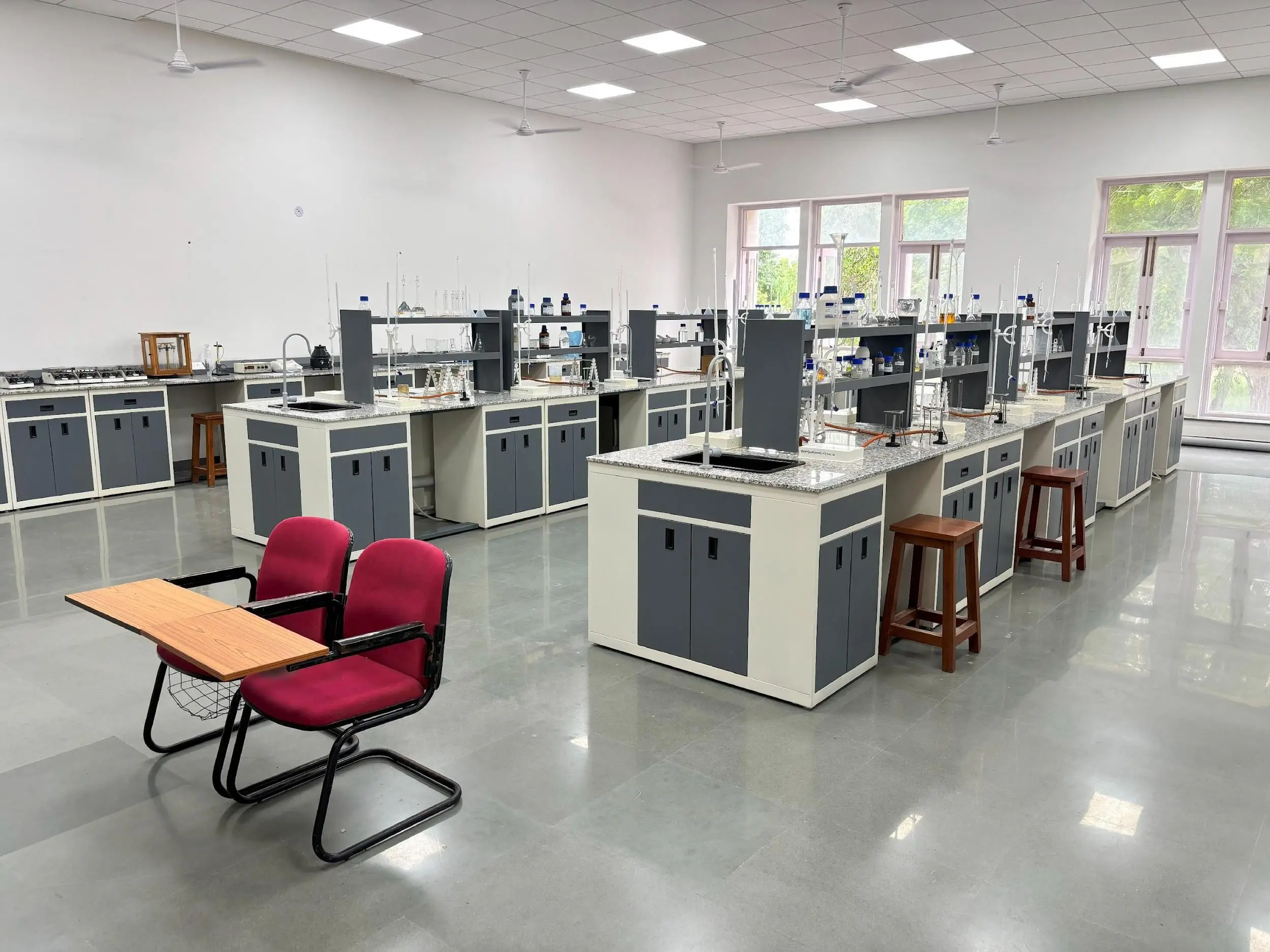
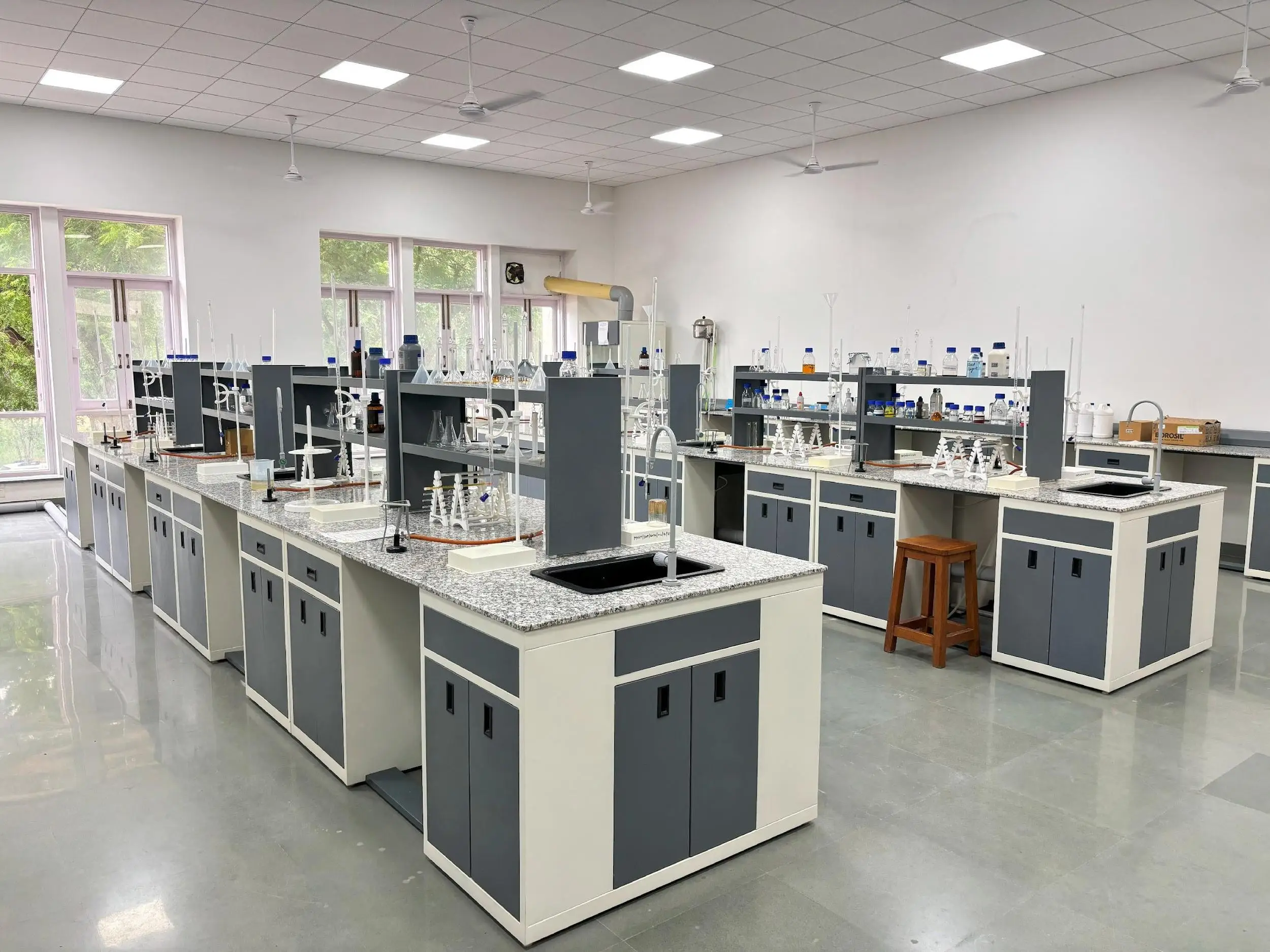
The Pharmaceutical Chemistry Laboratory is a dedicated space for analytical and synthetic experiments related to pharmaceutical substances. This lab plays a crucial role in teaching students about the physicochemical properties, purity, and chemical structure of active pharmaceutical ingredients (APIs). It is equipped with high-precision analytical instruments such as a digital PH meter, a hot plate, a hot plate magnetic stirrer, a sonicator, digital colorimetry apparatus, distillation apparatus, a fuming hood, a melting point apparatus, and an analytical balance. The facility also provides molecular model kits to help students visualize chemical structures and reaction mechanisms. All standard glassware required for titrimetric and volumetric analysis is readily available. Through practical exercises, students learn how to identify compounds, perform purity testing, and synthesize simple drug molecules, all while adhering to safety protocols and PCI-prescribed guidelines. The lab fosters a deeper understanding of medicinal chemistry, organic chemistry, and pharmaceutical analysis.