Department of Pharmacognosy
The Department of Pharmacognosy is an integral part of the School of Pharmacy, dedicated to the study of medicinal plants, natural products, and their therapeutic applications. The department focuses on the identification, isolation, and standardisation of bioactive compounds obtained from natural sources such as plants, animals, and minerals.
It provides students with a strong foundation in areas such as plant taxonomy, phytochemistry, herbal drug technology, and quality control of crude drugs. Students gain knowledge about traditional systems of medicine along with modern scientific approaches for the development and validation of herbal medicines.
The department emphasizes practical learning through well-established laboratories and medicinal plant gardens, where students are trained in drug identification, extraction techniques, phytochemical screening, and evaluation of herbal formulations. This hands-on training enhances their understanding of natural drug development and quality assurance.
In addition, the department promotes research in emerging areas such as herbal drug standardization, nutraceuticals, phytopharmaceuticals, and conservation of medicinal plants. Faculty members actively guide students in research projects, field visits, and industrial exposure, encouraging innovation and scientific exploration.
Overall, the Department of Pharmacognosy plays a significant role in developing skilled professionals capable of contributing to herbal medicine research, pharmaceutical industries, and the growing global demand for natural healthcare products.
Name of the Department in Charge
https://www.modyuniversity.ac.in/faculty/prof-dr-deenanath-jhade/
Programmes Offered by the Department:
- B. Pharmacy
- D. Pharmacy
Details of Labs and Facilities:
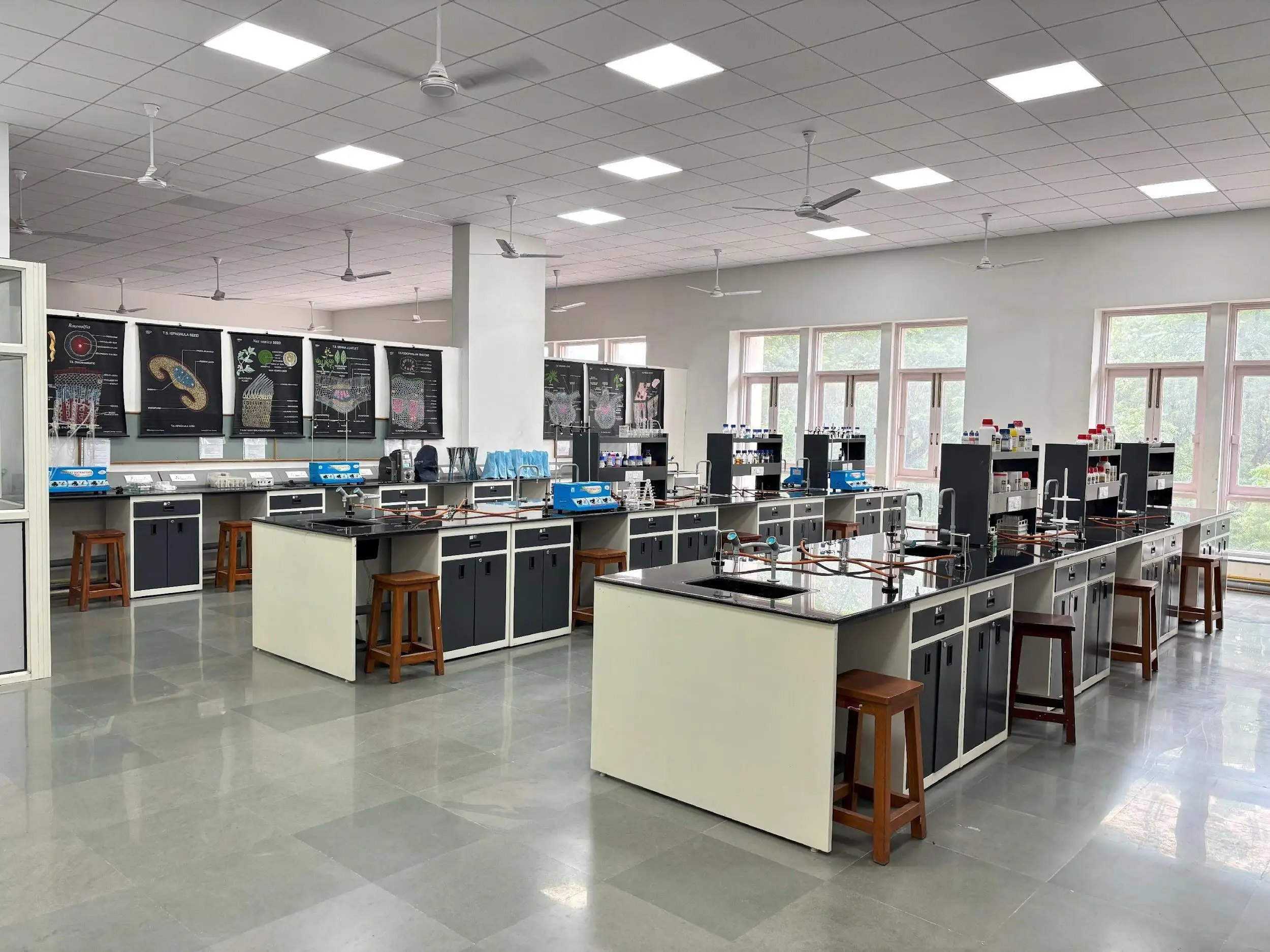
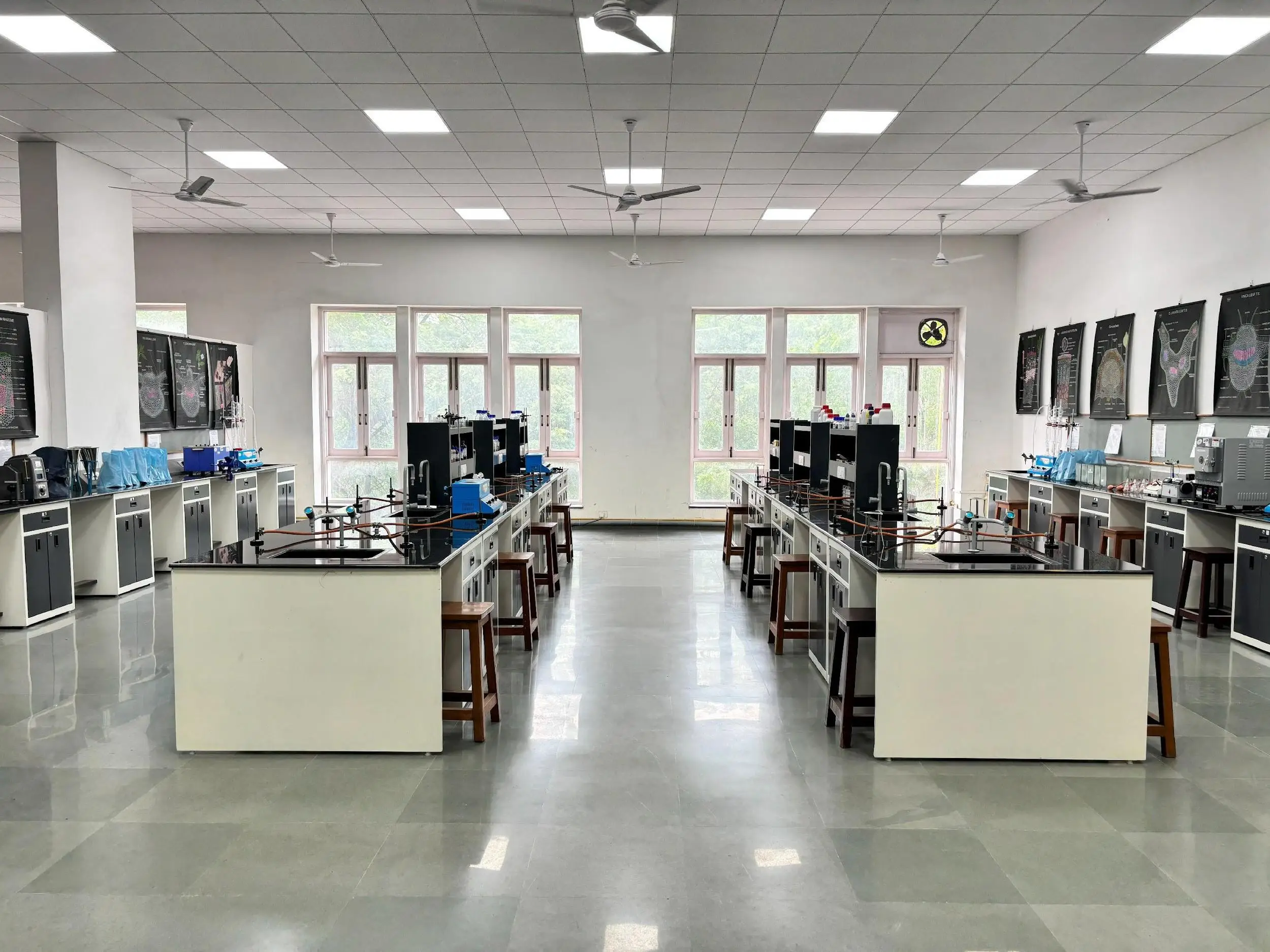
The Pharmacognosy Laboratory at the School of Pharmacy, Mody University, is a specialised facility designed to impart practical knowledge in the study of natural products, medicinal plants, and traditional systems of medicine. It plays a pivotal role in helping students understand the origin, morphology, identification, and pharmacological relevance of crude drugs derived from plant, animal, and mineral sources.
The laboratory is fully equipped with essential instruments including microscopes, projection microscope, camera lucida, micrometry tools, chromatographic apparatus, TLC chambers, gel electrophoresis, Soxhlet apparatus, colony counter, zone reader, moisture balance, muffle furnace, vacuum pump, Clevenger’s apparatus, and distillation units enabling phytochemical screening, microscopic evaluations, extraction processes, and purity testing of herbal drugs. It also features organoleptic testing setups, chemical reagent stations, drying chambers, and slide preparation areas for anatomical and histological studies of plant tissues. Authenticated samples of crude drugs, powdered drugs, and herbarium sheets are available for student reference and practical analysis.
Teaching in this lab is closely integrated with the Herbal Garden, allowing students to directly correlate theoretical knowledge with live medicinal plant specimens grown on campus. Together, these resources deepen students’ understanding of Ayurvedic, Unani, and folk medicinal systems, while equipping them with modern analytical techniques to evaluate the safety, efficacy, and quality of herbal materials. The laboratory prepares students for careers in herbal drug formulation, natural product research, regulatory affairs, and phytopharmaceutical development while fostering innovation in plant-based therapeutics and promoting respect for India’s ethnomedicinal heritage.