Department of Pharmacology
The Department of Pharmacology is a fundamental academic unit of the School of Pharmacy, dedicated to the study of drugs and their effects on living systems. It serves as a bridge between pharmaceutical sciences and clinical practice by helping students understand drug action, therapeutic uses, safety, and adverse effects.
The department provides comprehensive education in key areas such as pharmacodynamics, pharmacokinetics, toxicology, and pharmacotherapeutics. Students are trained to understand how drugs interact with biological systems, their mechanisms of action, and their role in disease management and patient care.
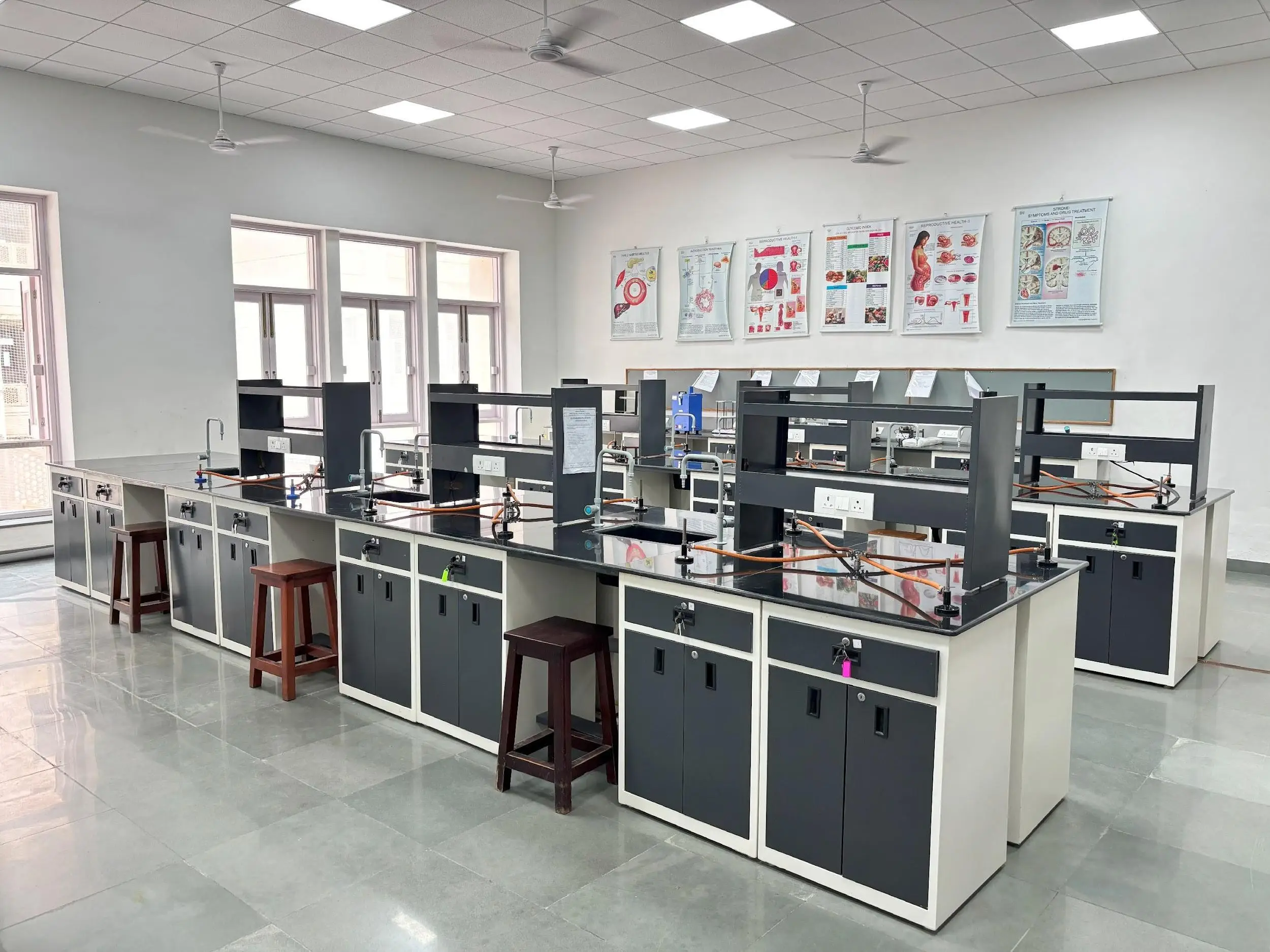
Emphasis is placed on practical and experimental learning through well-equipped pharmacology laboratories, including simulation-based and preclinical studies. These facilities enable students to gain hands-on experience in drug screening, toxicity evaluation, and experimental pharmacology, preparing them for careers in research, clinical practice, and the pharmaceutical industry.
The department also promotes research and innovation in areas such as neuropharmacology, cardiovascular pharmacology, toxicology, and pharmacovigilance. Faculty members actively guide students in research projects, seminars, and industry-oriented training, fostering critical thinking and scientific inquiry.
Overall, the Department of Pharmacology plays a crucial role in developing competent pharmacy professionals capable of contributing to drug discovery, safe medication use, and the advancement of healthcare systems.
Name of the Department in Charge
https://www.modyuniversity.ac.in/faculty/ms-neeru/
Programmes offered by the department:
- B. Pharmacy
- D. Pharmacy
Details of Labs and Facilities:
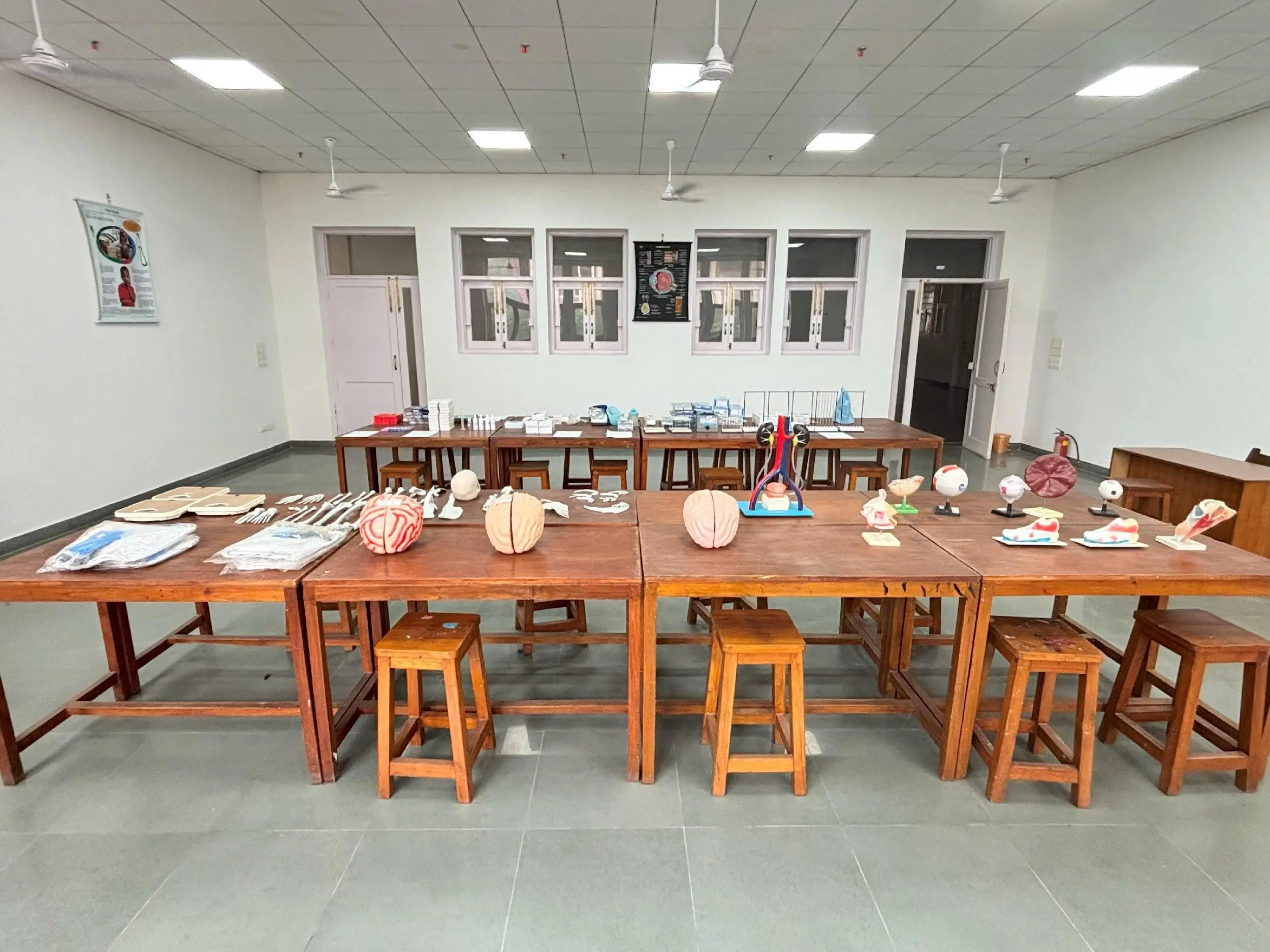
The Pharmacology Laboratory is designed to provide students with a foundational understanding of how drugs interact with biological systems. This laboratory allows learners to conduct experiments related to the effects of pharmaceutical agents on tissue, organ systems, and whole organisms. It is equipped with specialized apparatus such as a student organ bath, a kymograph for recording muscle contractions, a lucas moist chamber, myographic levers, a sherrington drum, rotarod, convulsiometer, pole climbing apparatus, an actophotometer for measuring locomotor activity, an analgesiometer for pain response studies, and a telethermometer for monitoring body temperature. Additional resources include sphygmomanometers, stethoscopes, histamine chambers, dissecting kits, and a wide collection of histological slides and anatomical models. A refrigerator is available for preserving biological samples. This lab is crucial for teaching experimental pharmacology, toxicology, and physiology. It prepares students to understand drug mechanisms, therapeutic actions, adverse effects, and safety assessments, laying the groundwork for careers in clinical pharmacy and research.