Electronics and Communication Engineering
The Department of Electronics and Communication Engineering (ECE), established in 1998, is committed to delivering high-quality technical education exclusively for women. Over the years, the Department has cultivated a strong legacy of excellence in teaching, research, and innovation. It is widely regarded as a pioneer in Electronics and Communication Engineering education in India. The programmes offered by the Department are accredited by ABET (in 2018), NBA (accredited for three cycles), and approved by AICTE annually, reflecting adherence to global and national quality standards.
The Department offers undergraduate programmes across four major domains: Electronics and Communication Engineering, Electronics and Computer Engineering, Electronics and Communication Engineering (Artificial Intelligence and Cybernetics), and Electronics and Communication Engineering (VLSI), along with a postgraduate programme in VLSI Design. In addition, the Department offers doctoral (Ph.D.) programmes in a broad range of advanced and emerging areas, including Microwave Engineering, Antenna Systems, Communication Engineering, Sensor Networks, and Mobile and Wireless Communication, as well as other contemporary domains within ECE. These programmes provide a robust platform for meritorious women graduates and postgraduates to pursue advanced research in cutting-edge technologies.
The Department is supported by a team of highly experienced and dedicated faculty members, all of whom hold doctoral degrees and are actively engaged in teaching, research, and professional development. The curriculum is comprehensive and encompasses a wide array of core and elective courses, such as Analog Electronics, Digital Electronics, Electronic Devices and Circuits, Integrated Circuits and Applications, Signals and Systems, Electronic Instrumentation, Microprocessors and Microcontrollers, Embedded Systems, Electromagnetic Field Theory, Communication Systems, Microwave Engineering, Antenna and Wave Propagation, Power Electronics, Optical Fiber Communication, Digital Signal Processing, Telecommunication Switching, VLSI Design, Cellular and Satellite Communication, Radar Engineering, and VHDL Design. Foundational courses in Mathematics, Physics, Chemistry, and Management complement these. The Department also encourages students to undertake interdisciplinary elective courses to enhance their academic breadth and adaptability.
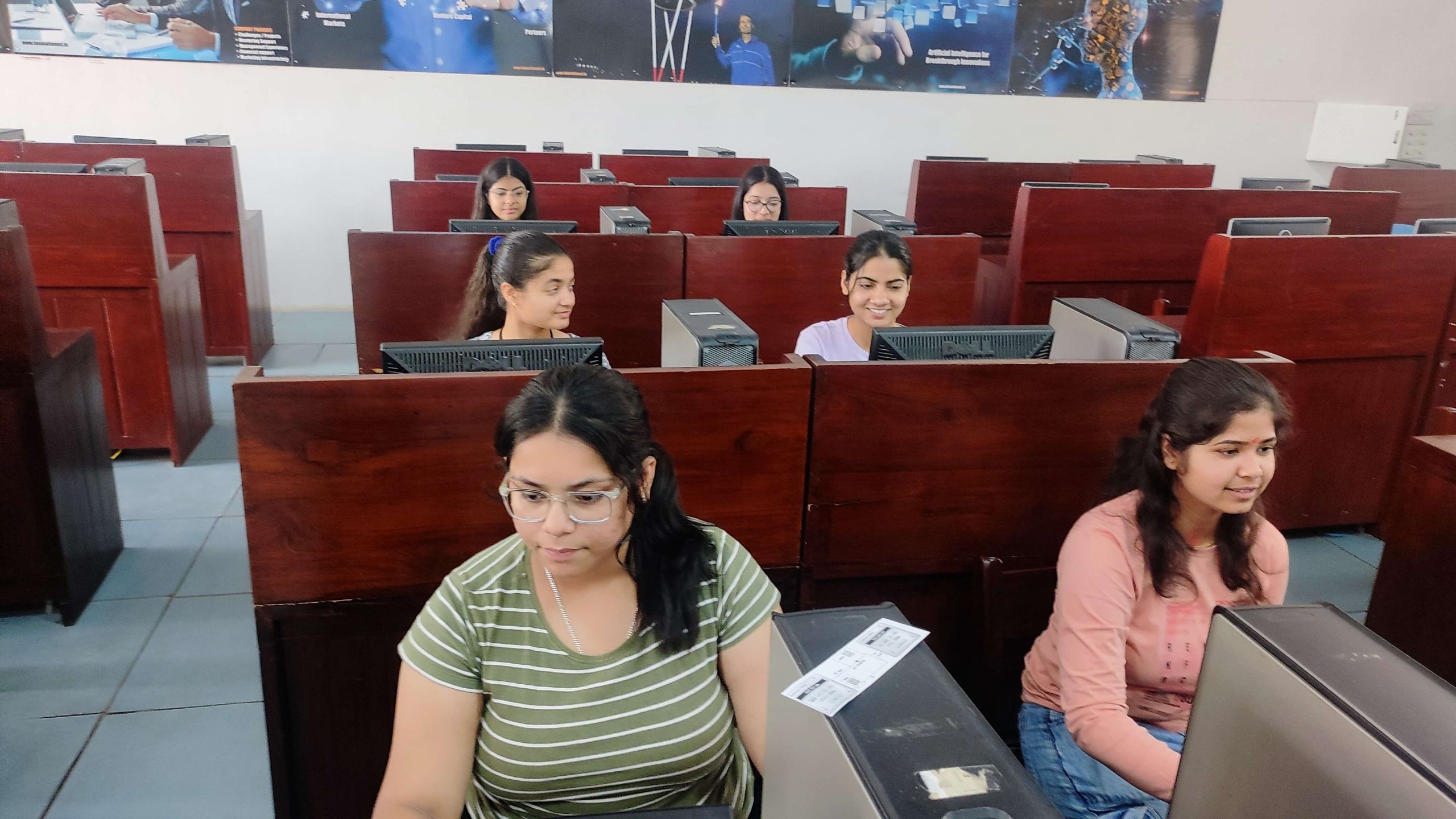
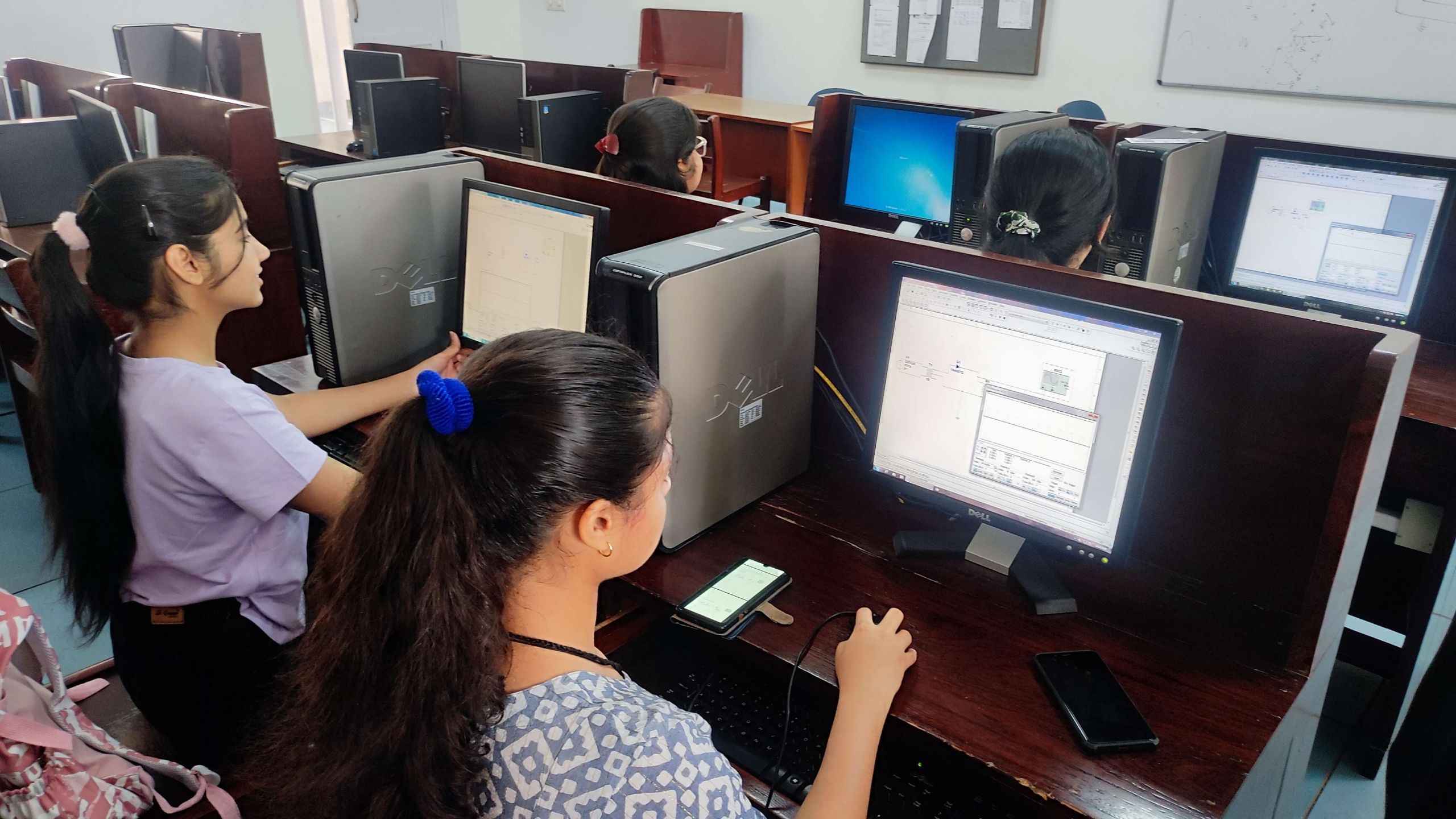
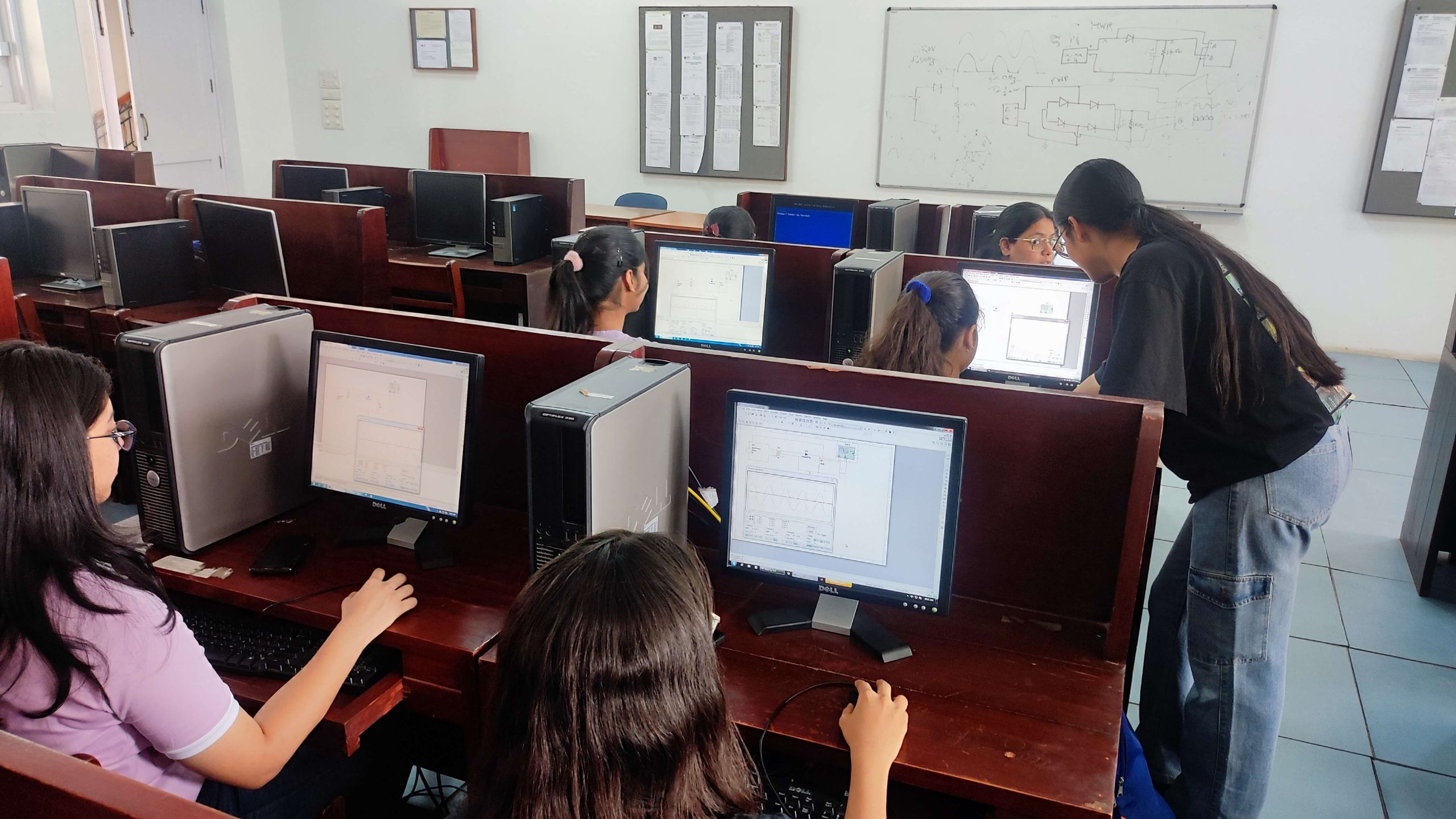
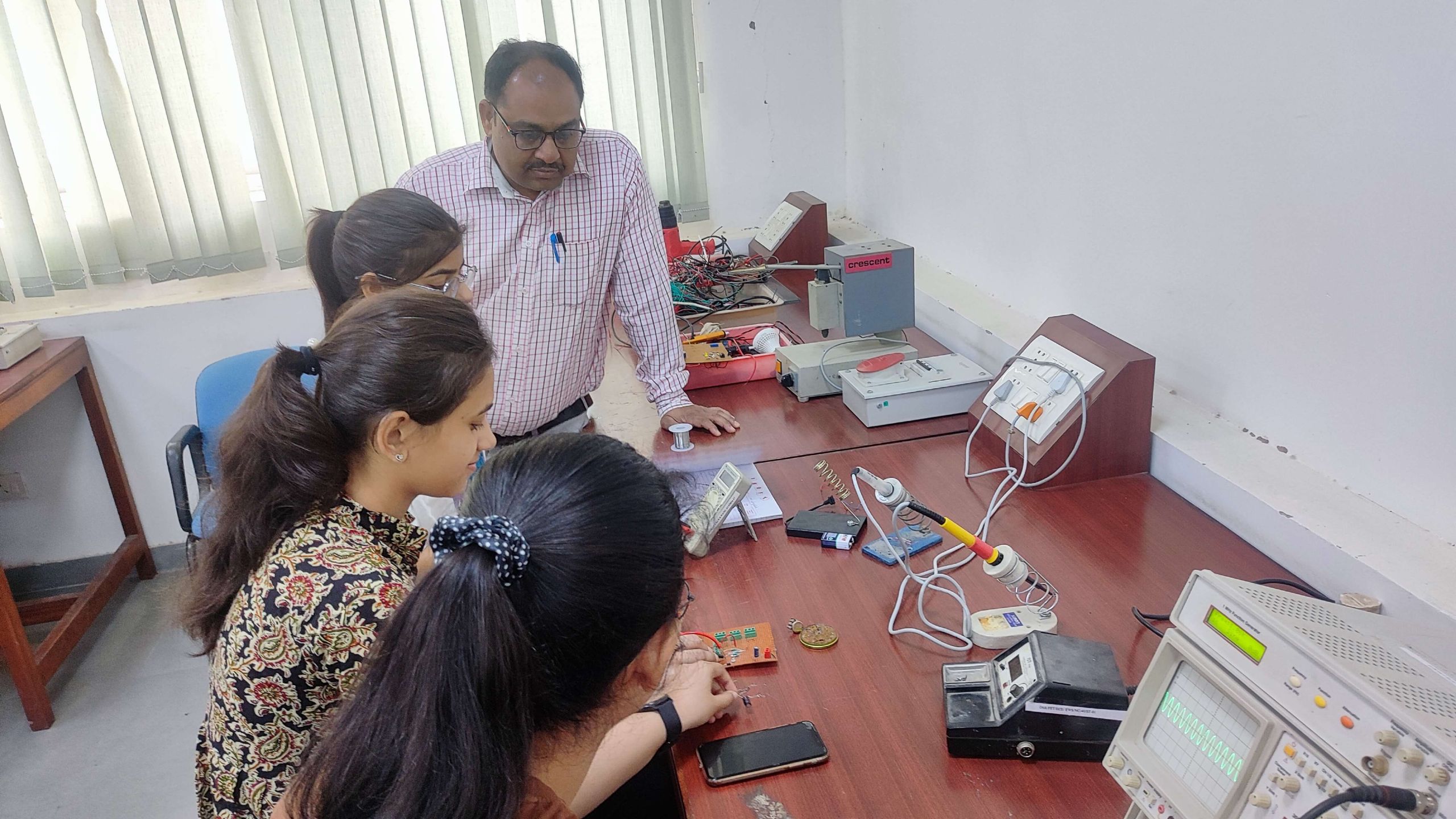
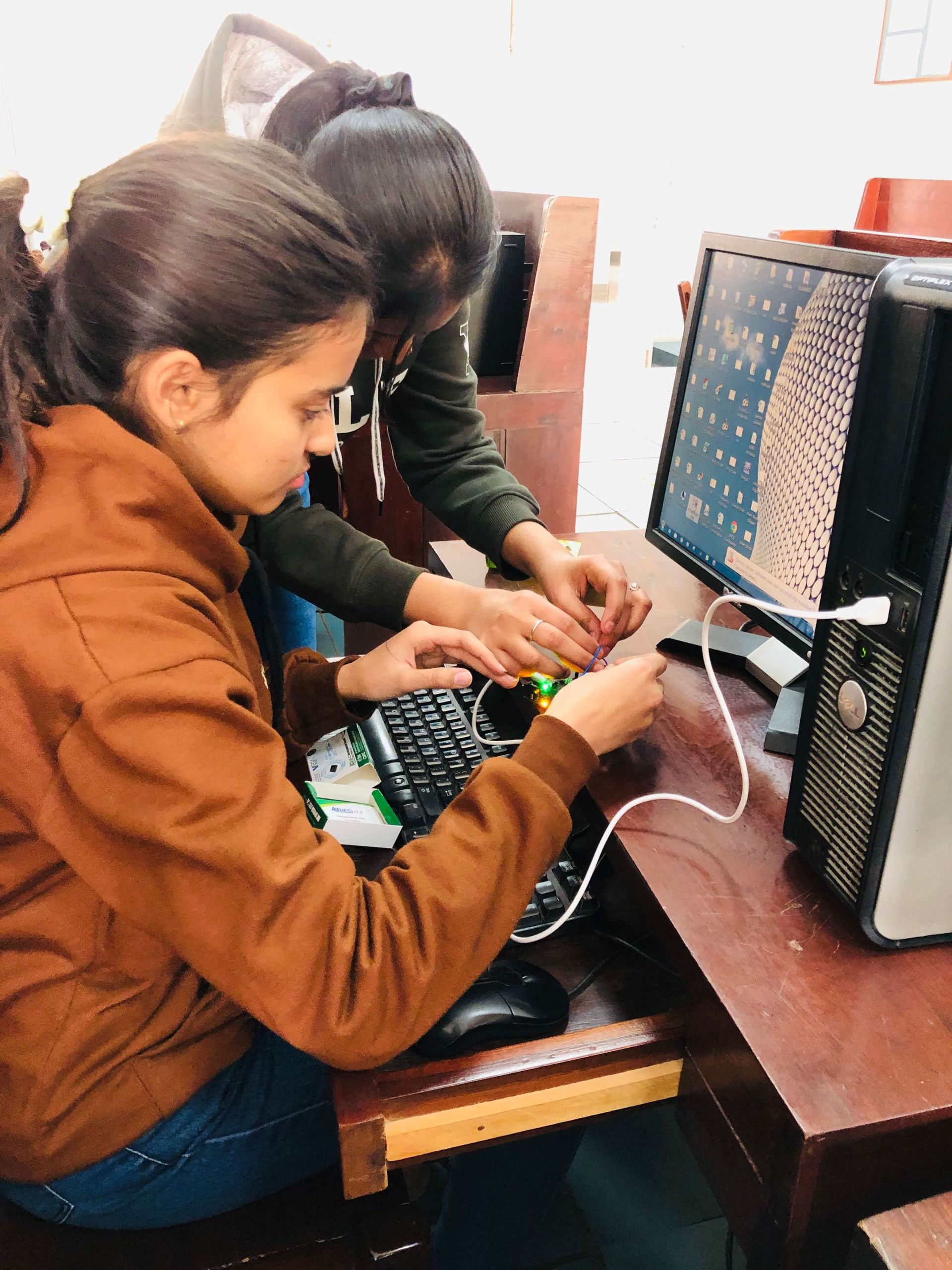
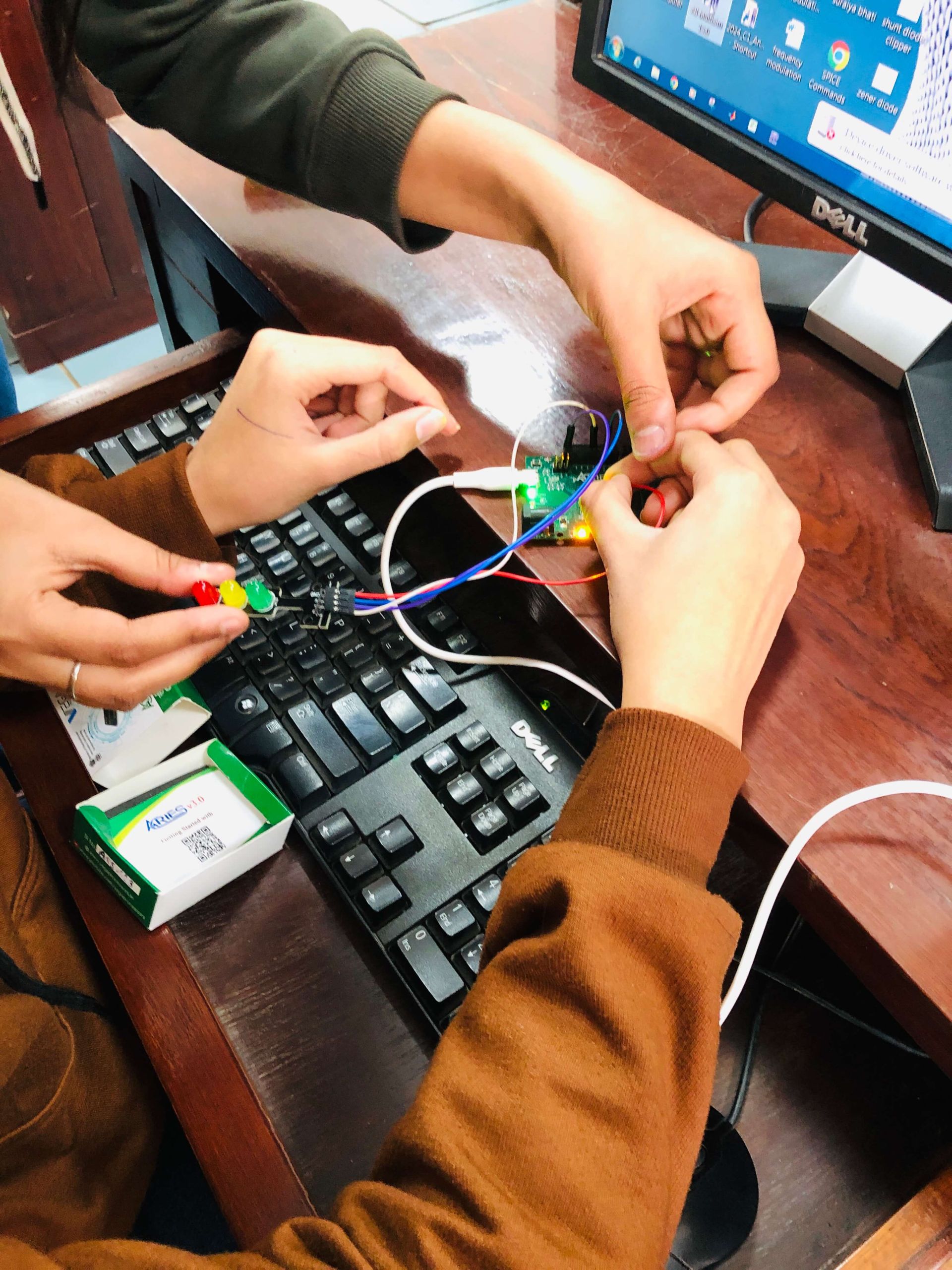
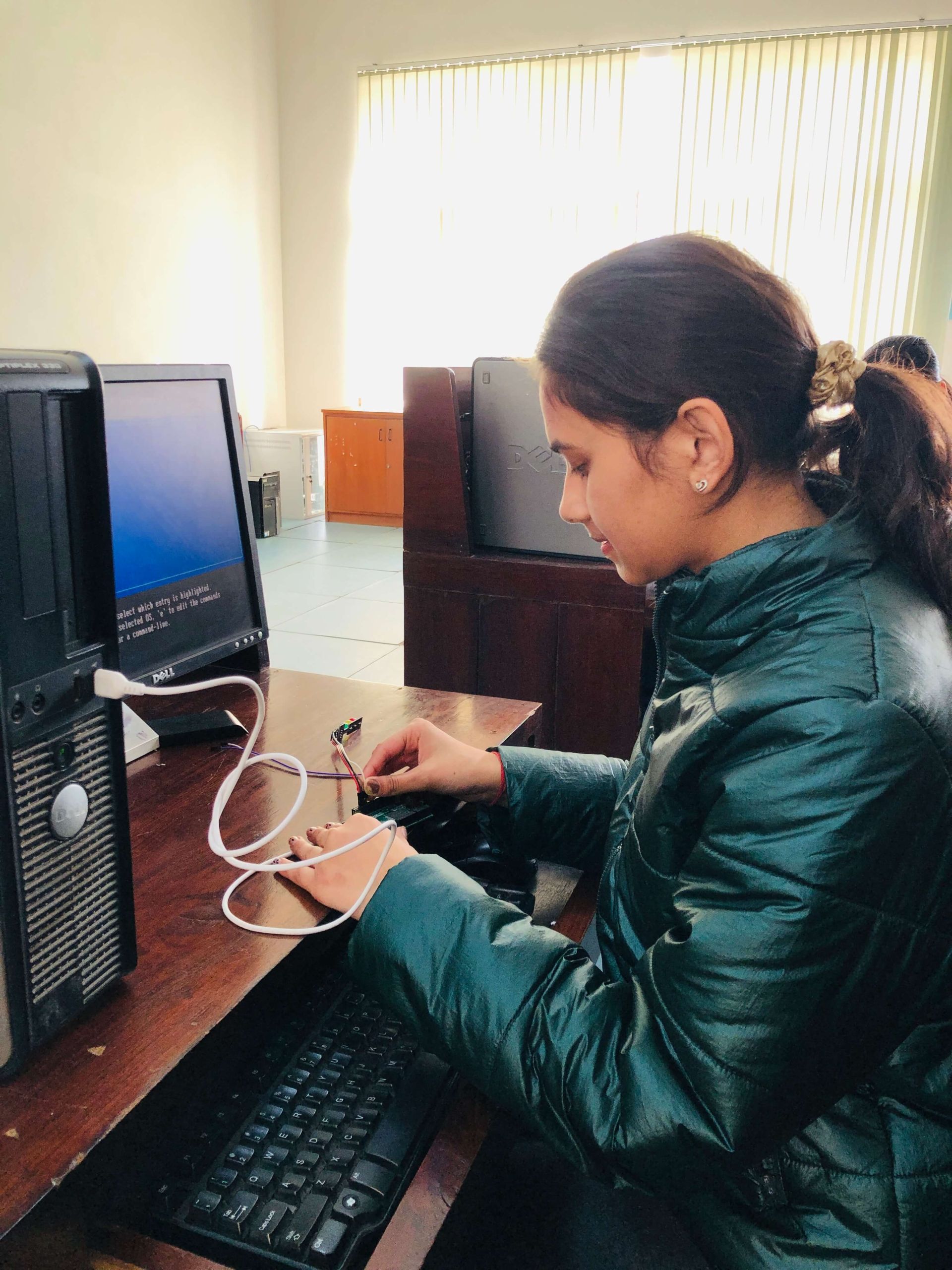
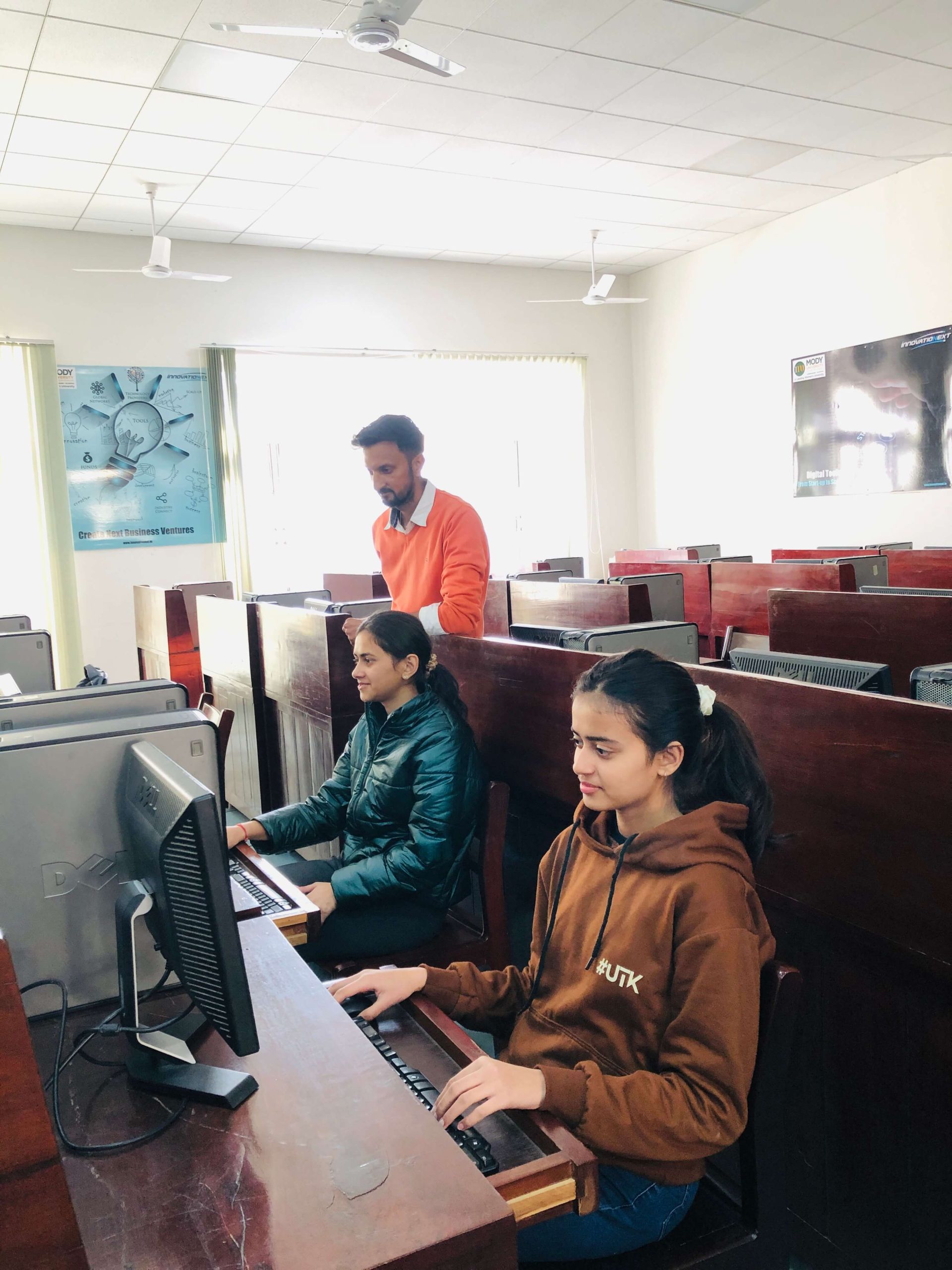
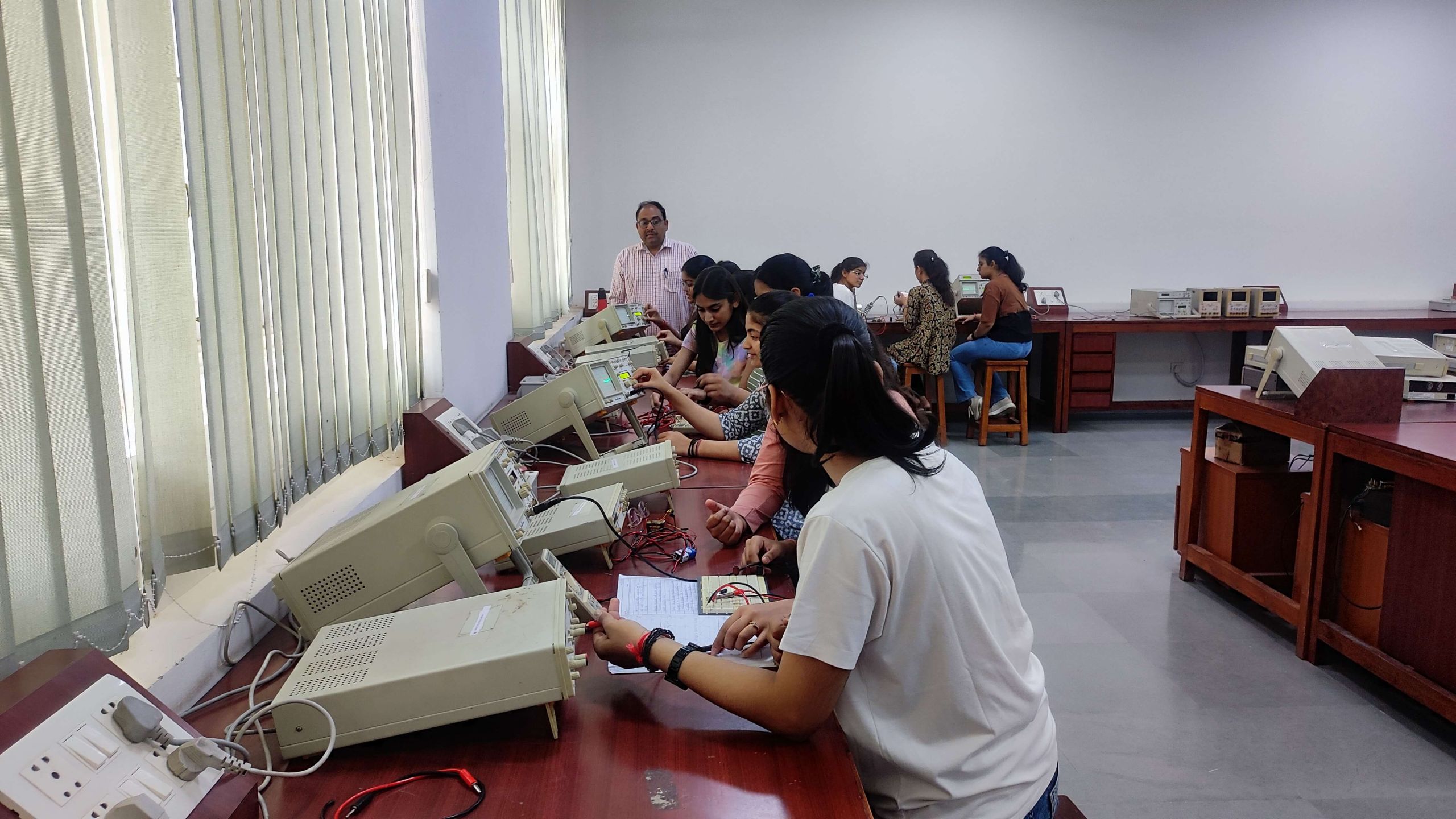
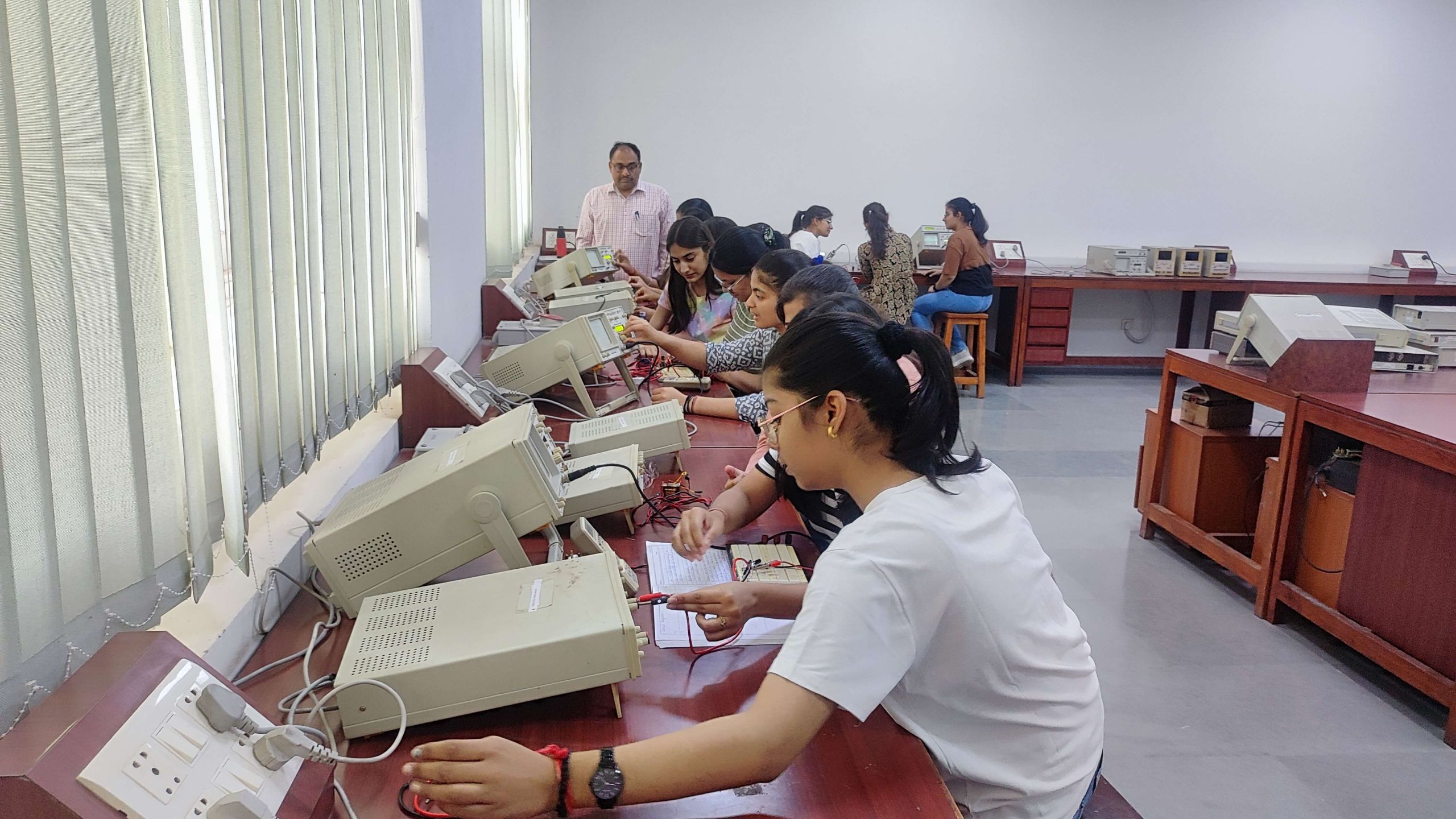
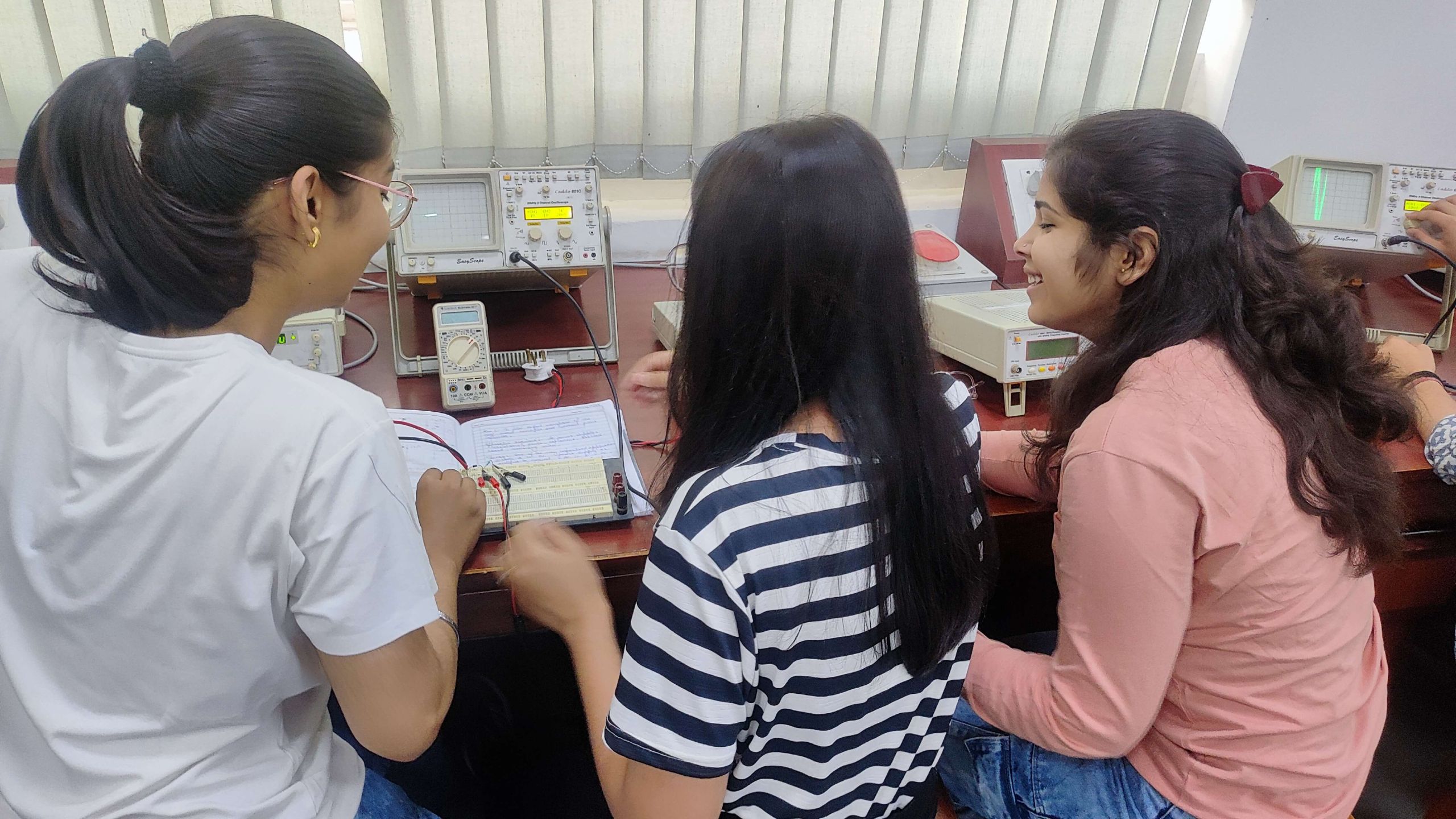
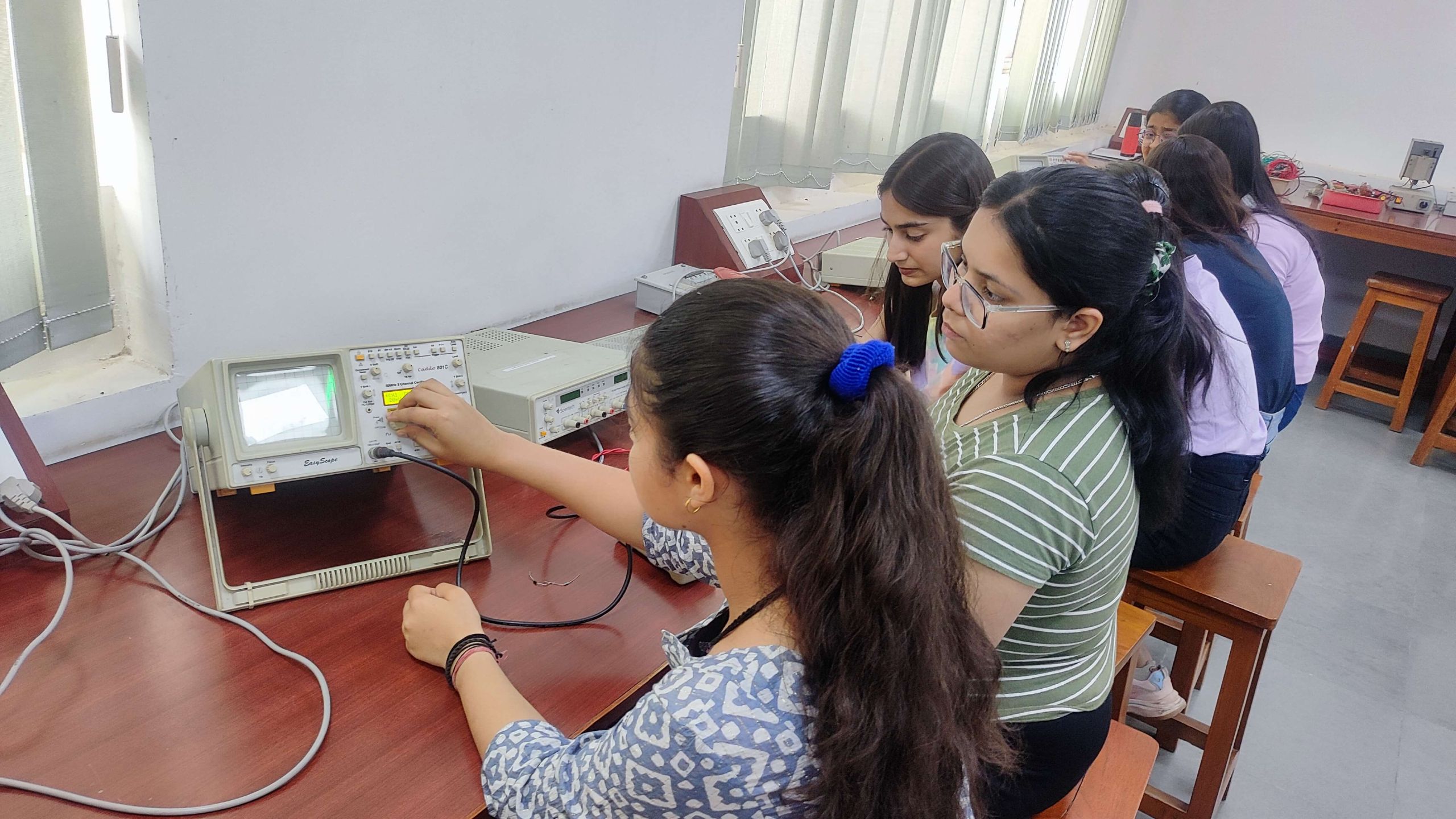
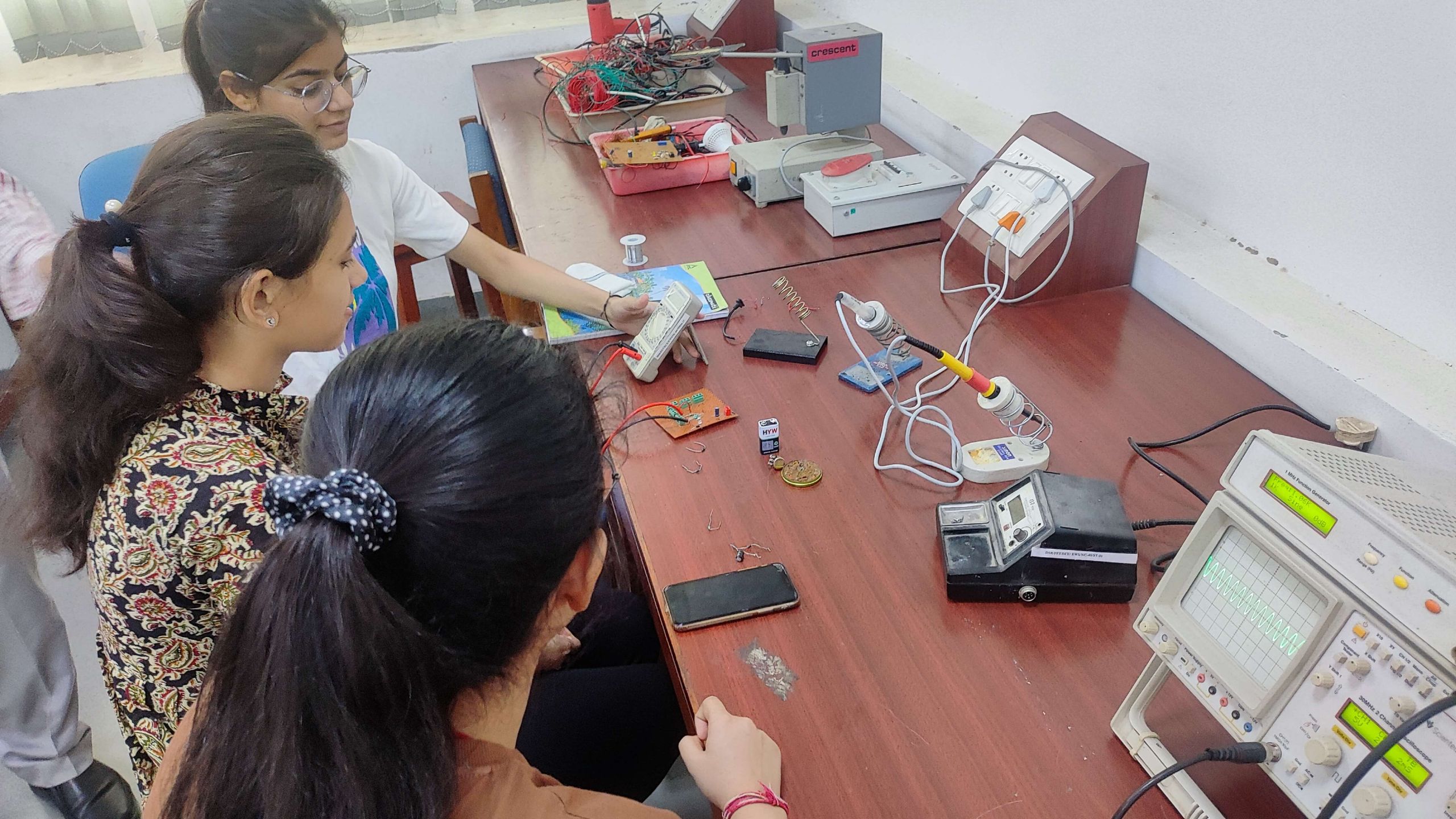
The Department is equipped with state-of-the-art laboratories featuring modern equipment and advanced software tools, enabling students to perform experiments effectively and gain hands-on experience. These facilities are regularly upgraded to align with current technological advancements and support both teaching and research activities. The Department also ensures excellent placement opportunities for students through strong industry collaborations and sustained support from leading organisations.
Furthermore, the Department has established a Memorandum of Understanding (MoU) with CDAC, Thiruvananthapuram, to foster academic collaboration, skill development, and research advancement.
Programme Offered
The Department offers a comprehensive portfolio of academic programmes spanning key domains of Electronics and Communication Engineering:
Undergraduate Programmes
- B.Tech. in Electronics and Communication Engineering
- B.Tech. in Electronics and Computer Engineering
- B.Tech. in Electronics and Communication Engineering (Artificial Intelligence and Cybernetics)
- B.Tech. in Electronics and Communication Engineering (VLSI)
Postgraduate Programme
- M.Tech. in VLSI Design
In addition, the Department offers doctoral (Ph.D.) programmes in a wide spectrum of advanced and emerging areas, including Microwave Engineering, Antenna Systems, Communication Engineering, Sensor Networks, Mobile and Wireless Communication, and other contemporary research domains within Electronics and Communication Engineering.
Head of Department
ECE Laboratories
The Department of Electronics and Communication Engineering (ECE) is equipped with state-of-the-art laboratories that cater to undergraduate, postgraduate, and doctoral programs. These laboratories provide a strong foundation for practical learning, experimentation, and advanced research in various domains of electronics and communication engineering. The facilities are regularly upgraded with modern equipment and industry-relevant software tools to meet academic and research requirements.
The major laboratories in the Department include:
- Microwave Engineering Laboratory – Equipped with microwave benches, klystron and Gunn diode setups, waveguides, slotted lines, VSWR meters etc. Software tools such as CST Microwave Studio are used for simulation and design.
- Antenna Laboratory – Features antenna trainers, radiation pattern measurement systems, anechoic chamber facilities , signal generators. Simulation tools include CST and MATLAB.
- Electronics Laboratory – Includes function generators, digital storage oscilloscopes (DSO), regulated power supplies, multimeters, and trainer kits for analog circuit analysis. Simulation support is provided through tools like Multisim and MATLAB.
- Digital Electronics Laboratory – Equipped with logic trainers, FPGA development boards, digital IC tester kits, oscilloscopes, and logic analyzers.
- Microprocessor and Microcontroller Laboratory – Contains 8085/8086 microprocessor kits, ARM-based development boards, embedded system kits, and interfacing modules. Software tools include Keil µVision, MPLAB, and Arduino IDE.
- Communication Engineering Laboratory – Features analog and digital communication trainer kits, CRO/DSO, signal generators, modulation-demodulation setups, and spectrum analyzers. MATLAB and Simulink are widely used for simulation and analysis.
- VLSI Laboratory – Equipped with advanced computing systems, FPGA boards, and VLSI design kits. Industry-standard software tools such as Cadence, Mentor Graphics, Xilinx Vivado, and Tanner EDA are used for design, simulation, and verification.
- Integrated Circuits and Applications Laboratory – Includes IC tester kits, operational amplifier (Op-Amp) trainers, linear and nonlinear IC experiment setups, and measurement instruments. Simulation tools include PSPICE and Multisim.
- Electronic Devices and Circuits Laboratory – Provides experimental setups for studying semiconductor devices, characteristics of diodes and transistors, and circuit design. Equipment includes curve tracers, power supplies, oscilloscopes, and simulation tools like PSPICE and MATLAB.