

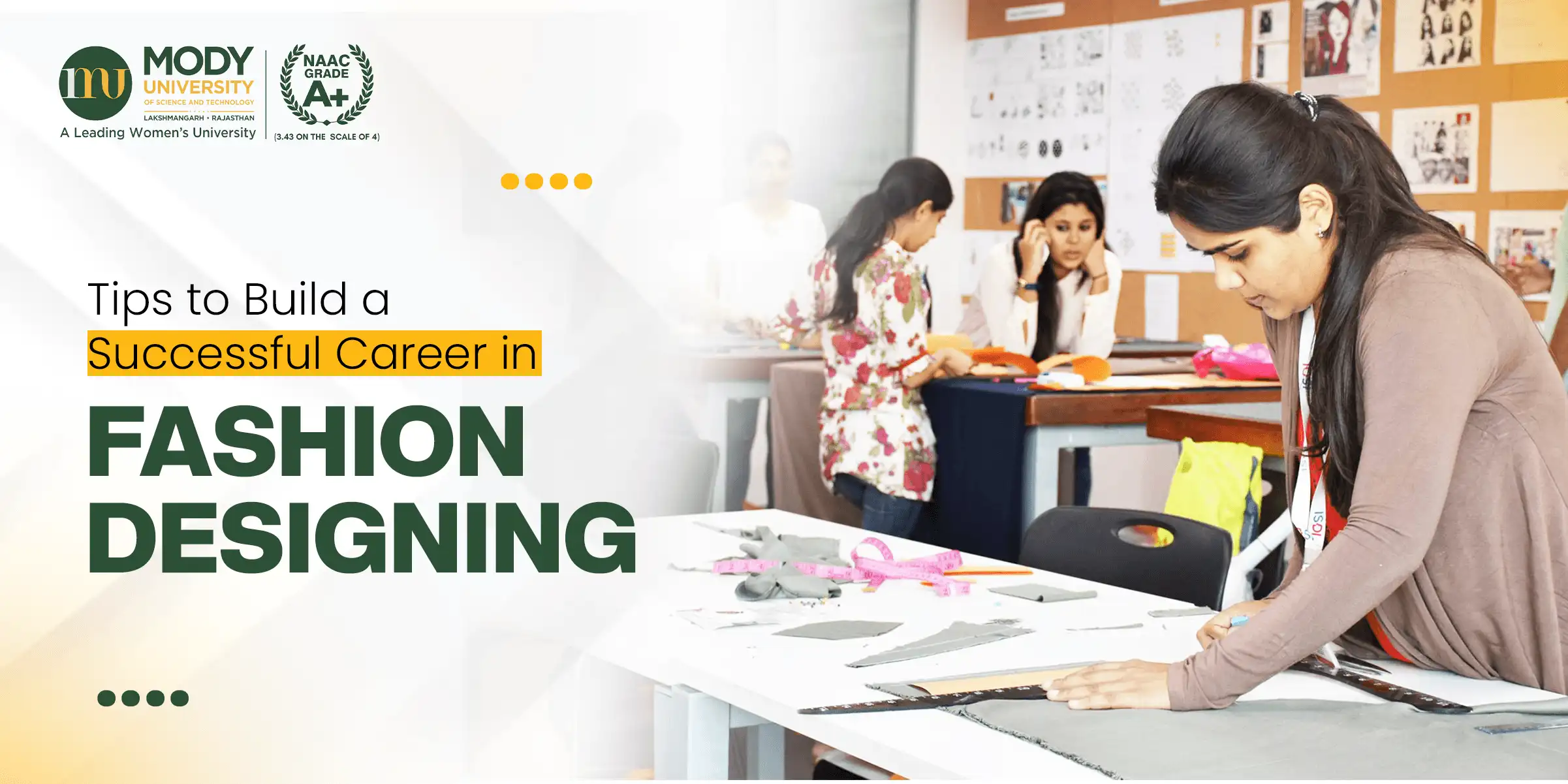
Tips to Build a Successful Career in Fashion Designing
A successful career in fashion designing starts with learning how design concepts translate into actual garments. Developing a portfolio involves several stages, including fashion illustration, textile selection, pattern drafting, garment construction and surface ornamentation.
Each stage requires subject knowledge, technical precision and practical training. Understanding these processes during formal education helps aspiring designers develop the skills needed to create original designs and meet professional standards.
India’s textile and apparel industry employs more than 45 million people, according to the India Brand Equity Foundation (IBEF), highlighting the sector’s importance to employment. For aspiring designers, this creates opportunities across apparel design, textile development, fashion merchandising and garment production.
The right academic programme, combined with practical projects and a well-developed portfolio, can provide a strong starting point for exploring these career paths.
1. Build a Strong Foundation in Fashion Design
Start by developing a clear understanding of fashion fundamentals, including design principles, colour theory, fashion history, visual composition and garment proportions. These subjects help you understand why certain designs work and how to develop original concepts.
For example, a fashion illustration assignment may require you to create a coordinated collection using complementary colours, balanced proportions and consistent silhouettes. A fashion history project could examine how traditional Indian garments have influenced contemporary design. These exercises develop visual judgement and help establish a clear design direction.
When comparing a fashion design university in Rajasthan, examine the curriculum carefully. Look for subjects such as fashion illustration, textile science, pattern making, garment construction and computer-aided design (CAD). A well-rounded programme should connect theoretical concepts with practical assignments.
2. Develop Technical Skills Through Practical Coursework
Fashion designing requires a strong understanding of how fabrics, patterns and construction techniques work together. Technical subjects help you translate illustrations into garments with accurate measurements, appropriate fit and professional finishing.
Pattern-making exercises introduce concepts such as basic blocks, darts, seam allowances, grading and pattern adaptation. In garment construction, practical sessions cover techniques such as setting sleeves, attaching collars, inserting zips and finishing seams. Textile science helps you compare fibres, fabric structures, shrinkage, drape and durability.
For instance, a coursework assignment on shirt construction may require you to prepare a pattern, mark notches, calculate seam allowances and assemble the garment in the correct sequence. You can then assess whether the collar sits properly, the sleeves allow movement and the seams remain consistent.
Regular practice develops accuracy and helps you understand the relationship between design decisions and garment quality.
3. Create a Portfolio That Demonstrates Your Learning
A fashion portfolio should demonstrate your understanding of design concepts, technical processes and visual presentation. Instead of including sketches without context, present selected projects that show how you developed an idea from research to a finished outcome.
A textile design project, for example, could explore block printing through motif research, repeat-pattern development, colour trials and fabric sampling. An apparel design project could include a mood board, fashion illustrations, technical flats, a construction plan and photographs of the completed garment.
Explain the purpose of each project and the decisions you made. Include fabric swatches, pattern details and construction photographs where they add value. Use clear labels and consistent layouts so that reviewers can understand your process.
A focused portfolio allows prospective employers to assess your technical knowledge, attention to detail and ability to develop a design concept systematically.
4. Study Fashion Trends and Consumer Behaviour
Fashion professionals need to understand changing preferences, but trend awareness should go beyond following popular colours or silhouettes. It also involves studying customer requirements, fabric choices, garment functionality and market positioning.
Research fashion collections, textile exhibitions, design publications and retail assortments. Compare how different brands interpret similar trends through their choice of materials, construction methods and price points.
Commercial awareness matters because customers evaluate clothing through several factors, including quality, comfort, appearance and affordability. McKinsey’s The State of Fashion 2025 report found that more than 60% of consumers in the US and UK said they often tried to save money on fashion purchases. This finding illustrates why value and product quality remain important considerations for fashion businesses.
You can explore these concepts through academic assignments that compare retail collections, analyse target markets or evaluate fabric choices for different price categories. Such research helps connect design theory with commercial requirements.
5. Gain Industry Exposure Through Internships and Projects
Practical exposure helps you understand how fashion concepts move from the design stage to production. Internships and industry-linked projects can introduce you to professional standards, production processes and workplace expectations.
Look for opportunities with garment manufacturers, textile studios, export houses, boutiques and fashion labels. Choose experiences that complement your preferred specialisation.
For example, an assignment involving a garment production unit could examine sample development, pattern approval, fabric consumption, stitching quality and final inspection. A project with a textile studio could involve print development, colour matching and testing a design across different fabric bases.
Observe how technical teams communicate design specifications and resolve production issues. These experiences can help you understand why accuracy, time management and teamwork matter alongside creative ability.
6. Learn Digital Tools for Fashion Design
Digital skills can improve how you develop, document and present fashion concepts. CAD applications support technical drawings, pattern development and colour variations, while 3D visualisation tools can help represent garments before physical samples are produced.
Start with digital fashion illustration and technical flats. Practise preparing front and back views of a garment, marking construction details and maintaining consistent proportions. You can then explore digital pattern development and 3D garment simulation according to your course requirements.
A useful coursework project could involve creating a digital technical sheet for a garment, including measurements, stitching details, fabric specifications and trims. This exercise helps develop the documentation skills needed to communicate designs clearly.
7. Explore Different Career Specialisations
Fashion design offers several career paths, each with distinct academic and technical requirements. Exploring these options helps you select relevant projects and develop suitable expertise.
- Apparel design: Focus on garment concepts, silhouettes, pattern development and construction.
- Textile design: Study print development, weaving, surface ornamentation and fabric structures.
- Fashion illustration: Develop skills in drawing, visual communication and design presentation.
- Fashion merchandising: Learn product planning, costing, assortment development and market analysis.
- Costume design: Explore character research, historical clothing, costume illustration and material selection.
- Fashion entrepreneurship: Understand collection planning, pricing, sourcing, branding and business operations.
Use coursework and practical projects to explore different areas before choosing a specialisation. Your interests, technical strengths and preferred working environment can guide that decision.
8. Strengthen Communication and Professional Skills
Fashion professionals collaborate with pattern makers, textile specialists, production teams, suppliers and clients. Clear communication helps ensure that everyone understands the intended design and technical requirements.
Practise presenting design concepts, documenting specifications and explaining material choices. Learn basic costing, fabric consumption calculations, production planning and quality assessment.
For example, a garment costing assignment may require you to calculate fabric requirements, lining, trims, labour and finishing expenses. This helps explain how production decisions affect the final product price.
Time management and constructive feedback are equally important. Complete assignments to a defined standard, document revisions and review technical errors before presenting your work.
9. Continue Learning and Building Professional Connections
Fashion education should provide a foundation for continued development. Attend workshops, textile exhibitions, design presentations and industry events to understand emerging techniques and materials.
Follow professional designers and relevant fashion publications to observe how the industry evolves. Seek feedback on your portfolio and identify specific skills that need improvement.
You can also build a professional presence by sharing selected projects, technical illustrations and completed garments on an appropriate online platform. Present your work accurately and explain the knowledge behind each project.
Consistent learning helps you refine your design approach and adapt to changing industry requirements.
Final Thoughts
Choosing an appropriate academic programme can help you develop the creative and technical skills required for a career in fashion. A bachelor’s degree in fashion designing can provide structured learning in design principles, textile knowledge, garment construction and related subjects, depending on the programme curriculum.
Before selecting a course, review its syllabus, practical facilities, faculty expertise, project opportunities and industry exposure. Check whether the programme supports portfolio development and provides opportunities to apply classroom learning through practical work.
At Mody University, we offer prospective students an opportunity to explore its design-related academic programmes and review the available course details. Check the relevant programme, eligibility requirements, curriculum and admission process before applying.
Ready to turn your interest in fashion into a professional skill set? Explore Mody University’s available design programmes and choose a course that aligns with your creative interests and long-term career goals.
Read Also – A Guide to Building a Career After a Psychology Course
Check Out Our Top Courses
Frequently Asked Questions
1. What qualifications are required to become a fashion designer?
Students can pursue relevant undergraduate programmes or diplomas, depending on their eligibility and career goals. Technical skills, practical experience and a strong portfolio also support career development.
2. What subjects are important in fashion designing?
Important subjects include fashion illustration, textile science, pattern making, garment construction, colour theory, fashion history and computer-aided design.
3. How can beginners develop a fashion design portfolio?
Include selected academic projects with research, mood boards, illustrations, technical drawings, fabric samples and completed garments. Explain the design process clearly.
4. What career options are available after studying fashion design?
Career options include apparel designer, textile designer, fashion illustrator, costume designer, fashion merchandiser and fashion entrepreneur.
5. Why should students consider a formal fashion design course?
A structured course can provide subject knowledge, technical training, practical assignments and guidance in developing a professional portfolio.
